.svg)
Conviction
·
Conviction
You Can't Grow From Below Zero
We talk about growth as if everyone starts at zero. Most people don't. They start well below it, and no growth strategy, mindset or AI tool works until they get back to baseline.
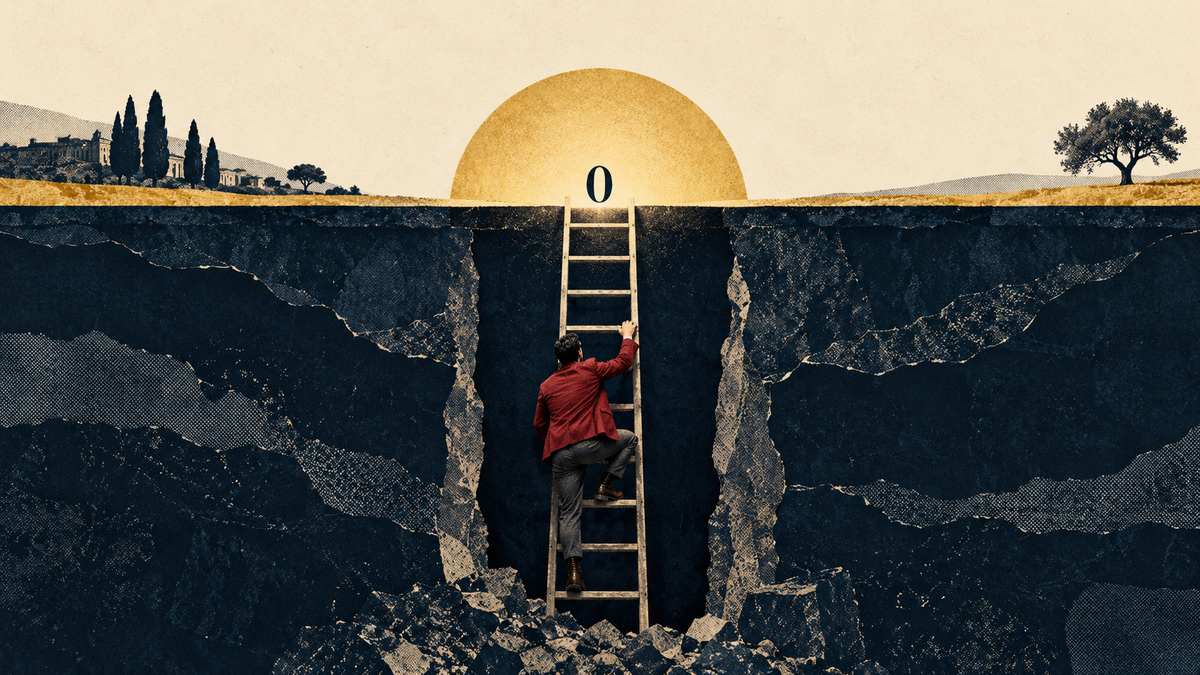
When I work with leaders, I often draw a simple line on a page and call it zero. Zero is the baseline for growth, the point where a person or an organization is ready to move forward.
Then I ask a question. Where do you think most people actually are today?
My answer surprises people. I believe most people are not at zero. I believe they are closer to negative 60.
What Negative 60 Looks Like
Negative 60 is not a measure of talent or effort. It is a measure of what is weighing people down before they even begin.
At negative 60, people lack conviction. They are dependent on fears of the unknown. They lack skills they were never given the chance to build. They have grown complacent. They work on suppressed teams, without the resources they need, surrounded by distrust and isolation.
Combine those things and you get what I call career quicksand. People don't know if they are in the right role. They don't know if they belong in their organization. They keep doing what they think they should be doing, even when they know deep down that they shouldn't be doing it anymore.
The data reflects this weight. In Gallup's State of the Global Workplace 2026, only 20% of employees worldwide are engaged at work. Forty percent experience daily stress, and 22% feel lonely on a daily basis. Even among managers, just 22% are engaged.
That is not a workforce at zero waiting to grow. That is a workforce trying to climb out of a hole. And when you ask people in a hole to sprint, they don't move faster. They dig deeper, or they stop trying altogether.
Why We Keep Chasing Growth Anyway
Here is the irony. While people are at negative 60, organizations keep chasing growth, transformation and new ways of doing things. Leaders launch initiatives. Consultants introduce frameworks. Everyone is in search of answers.
And I will say this respectfully: I don't think most people are even capable of a growth mindset right now. Not because they lack intelligence or desire, but because a growth mindset requires a foundation that most people no longer have. You cannot think your way forward when you are standing on ground that keeps giving way.
We use words like growth, agility and resilience as if they are exciting. We rarely stop to ask what is required to actually have them.
Organizations are not immune either. I recently assessed a group of 14 executives, and the environment they worked in was the biggest issue, and it is getting bigger. People used to be in environments they could get value from. Now many don't even know who to go to for value, so they become more independent, less trusting and more isolated. The identities of many organizations are in the same condition as the identities of their people.
Why AI Can Make It Worse
This is where I believe AI becomes dangerous.
AI will always give you an answer. But what kind of answer does it give to someone who is unconvicted? It answers the question they asked, and the question comes from where they are. A person at negative 60 prompts from fear, confusion and borrowed thinking. The answer reflects that state back to them, only faster and more polished.
For someone without conviction, AI doesn't create a way out. It makes their current state worse. That is why AI won't let us hide from the conviction crisis. It amplifies whoever is doing the asking.
Getting Back to Baseline
Getting from negative 60 to zero takes real work. It is not glamorous, and it doesn't look like growth. But nothing else works until it is done. Here is where I would start.
Diagnose before you prescribe. Before launching another growth initiative, take a clear look at where your people are. Are they at baseline, or are they below it?
Reclaim before you reinvent. Reinvention is not about creating something new. It is about reclaiming what people already have but have sacrificed or let others take from them.
Rebuild trust in the environment. People cannot grow in rooms they don't trust. Fix the room before you ask more of the person.
Earn conviction before you chase speed. Help people get clear on who they are and what they believe. Then the tools, including AI, start working for them instead of against them.
Zero Is a Milestone
We celebrate growth. We rarely celebrate getting back to zero. We should.
For most people today, reaching baseline is the most important progress they will make, because it is the point where growth finally becomes possible. It is where they stop surviving and start choosing. It is where change stops feeling like a threat and starts feeling like an opportunity.
Before you ask your people to grow, help them come back to who they are.
Want to explore these ideas further? Learn more about my work on leadership, identity and conviction at www.theglennllopis.com.
You cannot grow from below zero. First you have to get back to who you are.
© 2026 Glenn Llopis. All rights reserved.
This article is the original work of Glenn Llopis and is protected by copyright. It may not be republished, reproduced, distributed or adapted, in whole or in part, in print, online or by AI tools, without prior written consent. You are welcome to share the link or quote a brief excerpt with credit to Glenn Llopis and a link back to this page. For permission requests, contact solutions@glennllopisgroup.com.
Get the next essay in your inbox
New essays on leadership, identity and conviction, sent to you when they publish. Free, and you can unsubscribe anytime.
Thank you. You're subscribed to Conviction Chronicles.
Something went wrong. Please try again.



.svg)
.svg)
.svg)
.svg)
.svg)
.svg)
