
Seven proprietary assessments make the work observable rather than felt. Each can be taken before a program and again afterwards, which is how gains get attributed rather than assumed.

Three days with a cohort of leaders at headquarters, built around identity, self-trust and conviction, so they could lead with intention and real influence rather than positional authority.

Unlocking authenticity and lining personal purpose up with company goals so that innovation could actually happen. Leaders learned to see their teams as individuals rather than roles to manage.

Rigid structures were getting in the way of engagement and growth, so the work ran on both sides at once: the environment, and the individual.
Peer-reviewed
Over twelve months, a health system operationalized personalization across its organization and measured what changed. The work was written up with the system’s president as co-author and published in a journal, so the claim can be checked rather than taken on trust.
Read the research →Why it keeps happening
For a long time, reading the room was the job. You would sit with your team, hear what nobody was saying, take action, and expect a better outcome. Weeks later the same meeting is happening again, with the same people, working around the same things.
Leadership in the Age of Personalization® came out of two decades inside that gap, and now runs through GLLG and the Conviction Institute, which Glenn founded to put the research behind the work in public. It is three practices held together by one throughline: you build agency, you learn to shape the environments you lead in, and you reinvent on purpose, earning conviction the whole way through.
Build individual agency
Seeing Opportunity When Everyone Else Sees a Transformation
Transformation is another word for opportunity management, which is why so many organizations are unclear about what they are transforming toward and end up solving for the wrong opportunity. The four skills (see, sow, grow, share), the six strategies of the Innovation Mentality and the 4 Questions to Develop Your Personal Brand tell a person what they uniquely bring. That is where agency starts, and where conviction starts being earned.
Shape the environment
Unleashing Individuality When Four Generations Define Success Differently
Every environment asks something different of your agency. Standardization creates scale, consistency and quality; personalization is where growth comes from. The five shifts and five indicators teach leaders to read what a room requires and find the right balance between the two, instead of editing people out to fit. Answer the indicators honestly and the barriers that suppress people become visible, which is the point at which they can be removed.
Reinvent on purpose
Reinvention Readiness: Why Most Leaders Aren’t Ready, and How to Close the Gap
By this point you know yourself well enough to seek the right balance without frustration or exhaustion, so reinvention stops being a reaction and becomes a choice. Six skills of reinvention readiness carry it: Discover, Know and Pursue expand you; Build, Trust and Lead multiply your impact through other people.
The throughline
Earned in all three practices
Earning Conviction When the Change Never Stops
Conviction is not a fourth practice. It is the spine that runs through all three: earned as you build agency, tested as you learn to shape the environments you lead in, and visible as reinvention on purpose. You earn it through the five parts of Earning Conviction: Who You Are, How You Grow, How You Lead, What You Create, and Leading With Conviction. You can’t reinvent without first earning it.
Conformity scales. Conviction compounds.

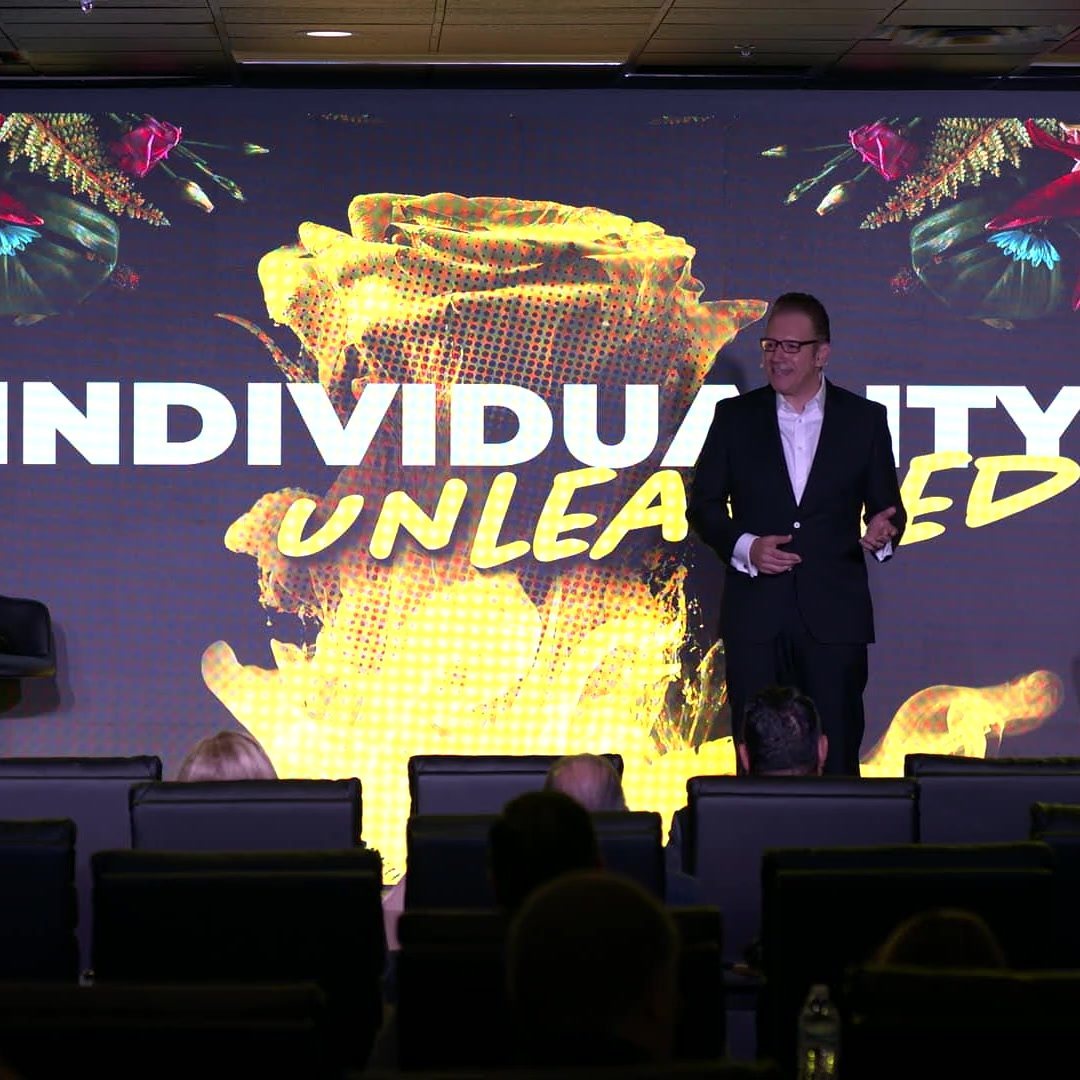
To provoke the right conversation, in front of the whole room.
“He doesn’t just share thoughts, he creates an experience. Things are not the same after listening to Glenn. There’s definitely a SHIFT in the room.”
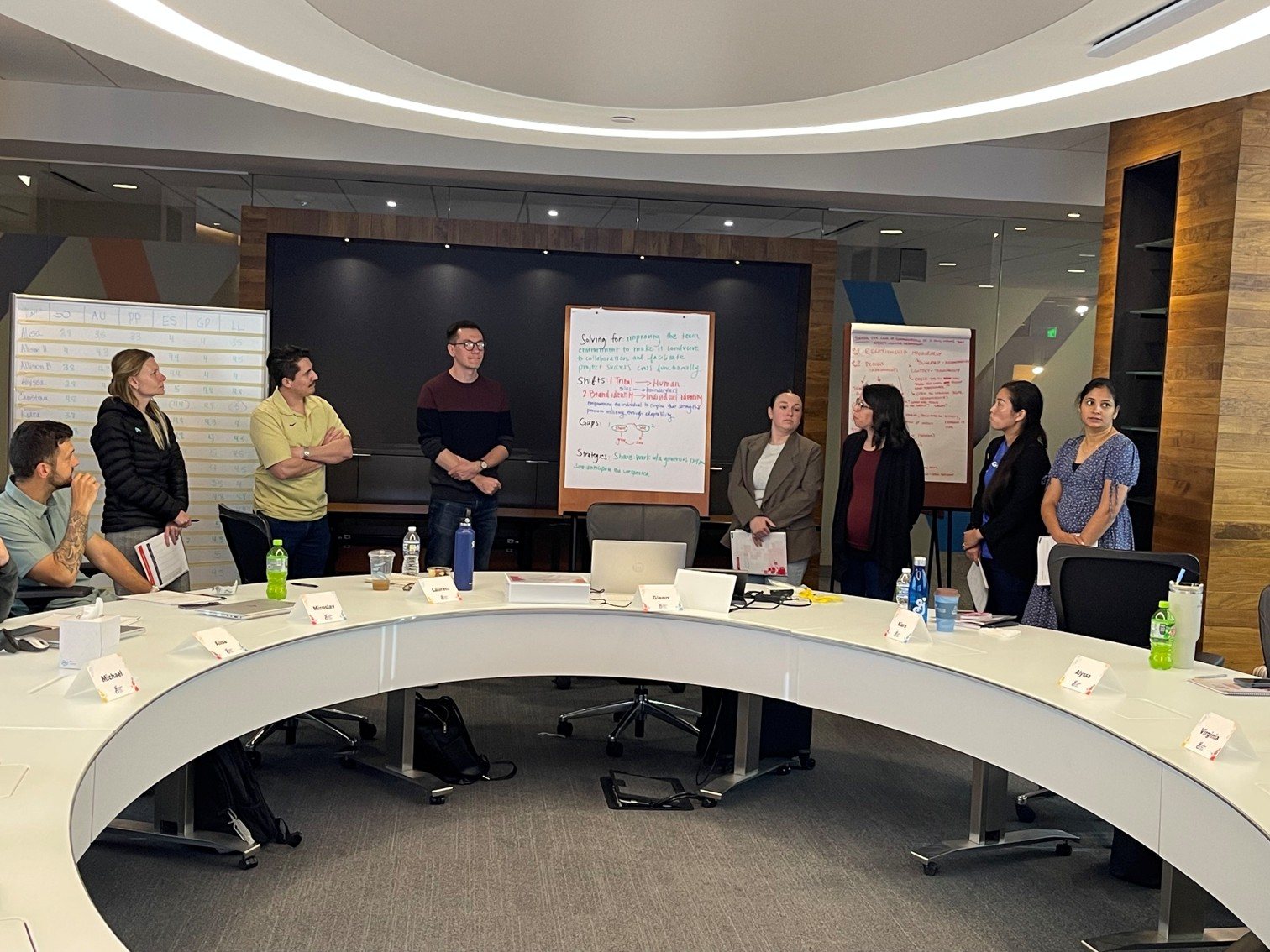
Not another program. Everyone in these rooms had been through several. What makes this one different is that it starts with assessment rather than curriculum, and ends with a playbook rather than a certificate.
“This was probably the most individualized and value-added program I’ve been a part of. The honest conversations that Glenn drove and his ability to get our group to open up was something I’ve never seen in a corporate setting.”
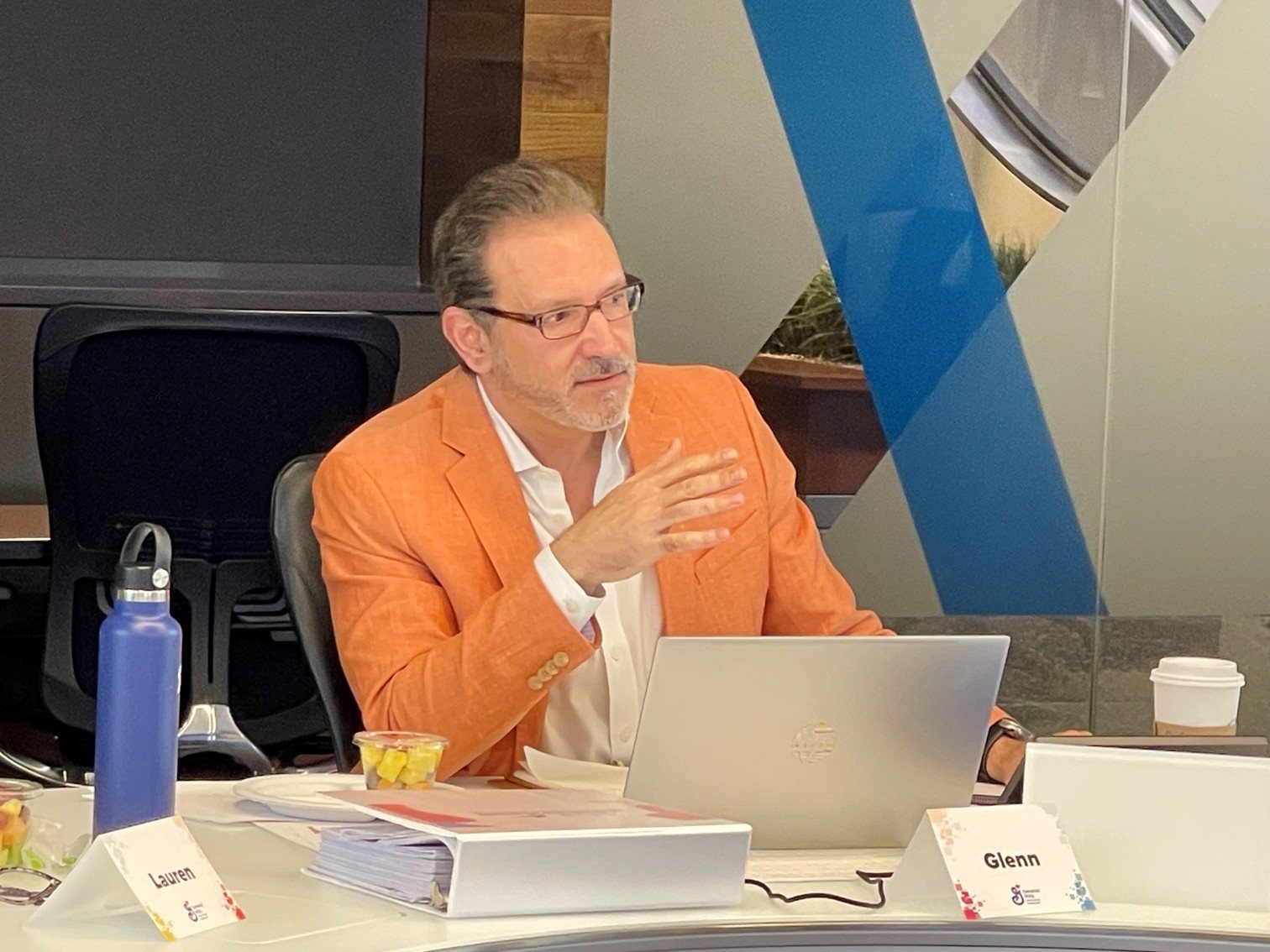
One leader, in depth, usually at the point where the title stopped being the problem.
“His intimate, passionate coaching style pulled me out of the career and mental quicksand I found myself in to find my voice and reignite my passion for writing and inspiring. In less than a year, I completed four books I plan to publish in 2025 and launched a consulting business.”
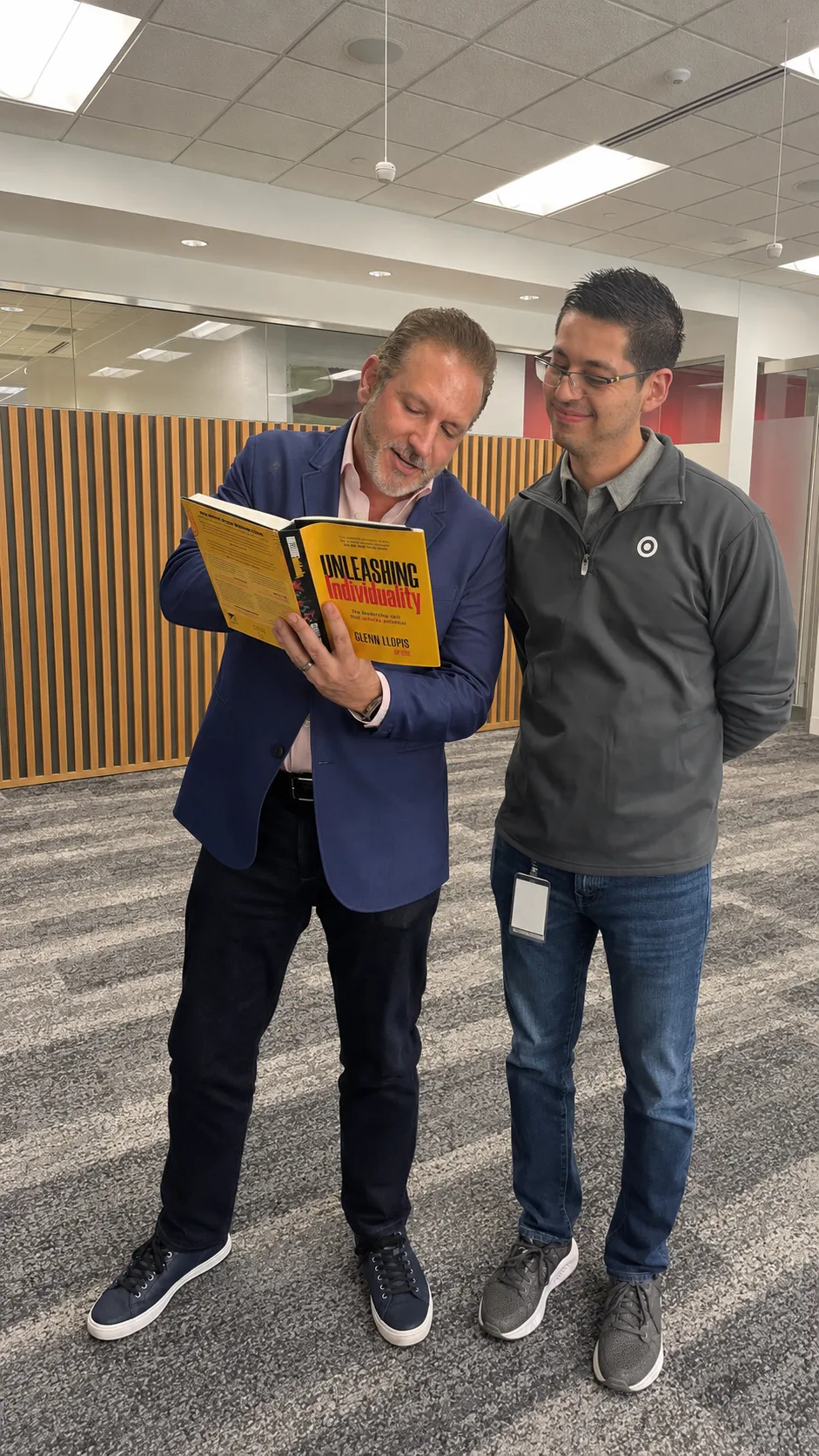
Fifteen years at Target. Nine at General Mills. Six at CVS Health. Nobody keeps a keynote speaker for fifteen years.
“What I witnessed was Glenn’s ability to cut through the surface-level dialogue and get to a level of vulnerability and truth with the group that enabled them to grow collectively and individually. Glenn was adept at using the right tools and conversations to challenge and push the group to identify a new standard of personal and organizational excellence.”
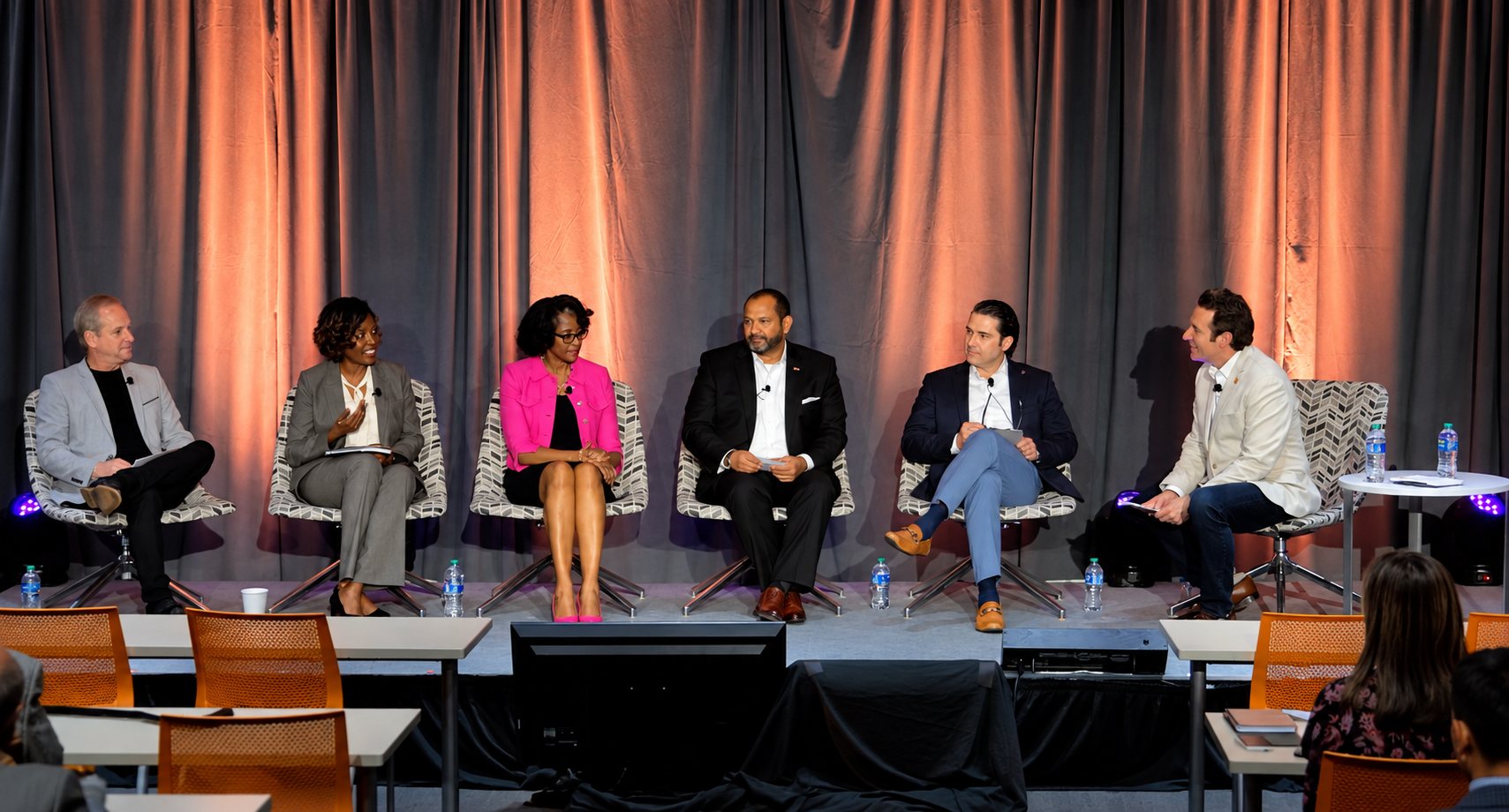
Designing what a summit argues, and readying the people who argue it.
“Glenn’s focus on PEOPLE being the first priority in healthcare, whether as patients or staff, was showcased during the Healthcare in the Age of Personalization summit last June, and I was honored to be a part of the insightful discussions about how we can change the culture in American healthcare for the better.”
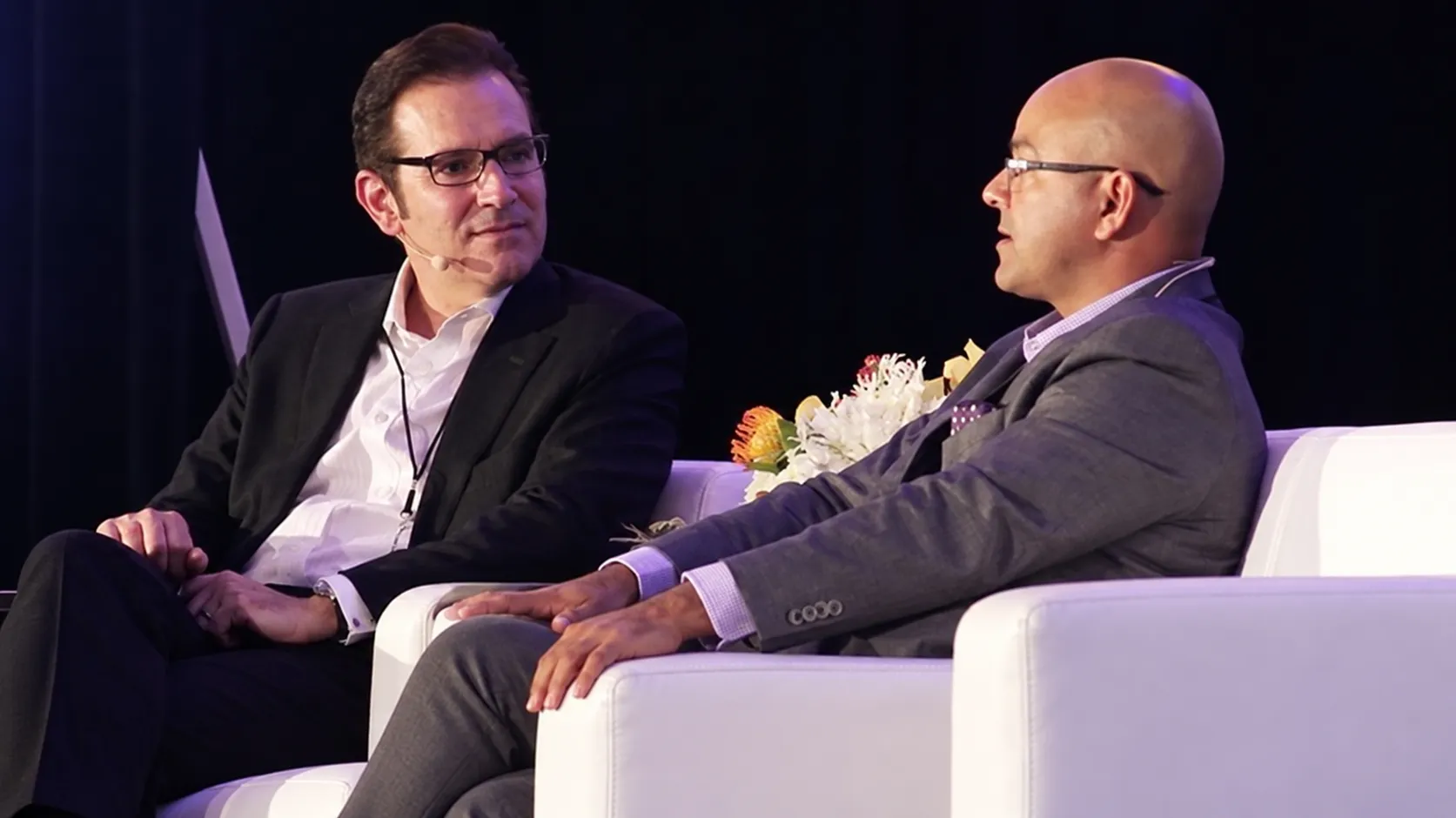
Running the conversation that gets somewhere, on camera or in the room. More than 100 panel discussions moderated, and more than 600 hours of recorded interviews with CEOs, physicians, deans and founders.
“Glenn’s skill as a moderator goes beyond simple guidance. He has the experience for asking thoughtful questions that uncover valuable perspectives and ignite engaging dialogue. He transforms a discussion into an enriching exchange, leaving participants feeling inspired, valued, and with a deeper understanding of the subject matter.”
The diagnosis was published in 2019. The research caught up years later.
See the record →Every term in the method has a name, a source, and the book it came from.
Read the glossary →Peer-reviewed in Management in Healthcare, co-written with a health system president.
Read the research →Glenn founded the Conviction Institute, where the research is published in full, with a standing section for the findings that weaken the case as well as the ones that support it.
See the evidence base →Twenty minutes tells you how much of your team is edited, and tells us whether there is work worth doing together. You don’t have to decide the format first: a keynote if the work is to provoke the right conversation, a program if the work is to change how people lead, a conversation if you are not yet sure which.
Take the Conviction Diagnostic. In three minutes, see where you've traded who you are for who the room wanted, and exactly where to begin reclaiming it.

His story starts where reinvention did: a family that left everything behind for a new country and refused to call it loss. Cuban Roots →


