.svg)
Opportunity
·
Personal Brand
Your First Impression Lasts Six Months
A leader's first impression is not made in a single meeting. It is confirmed or undone over the months that follow, through consistency, curiosity and a steady commitment to people.
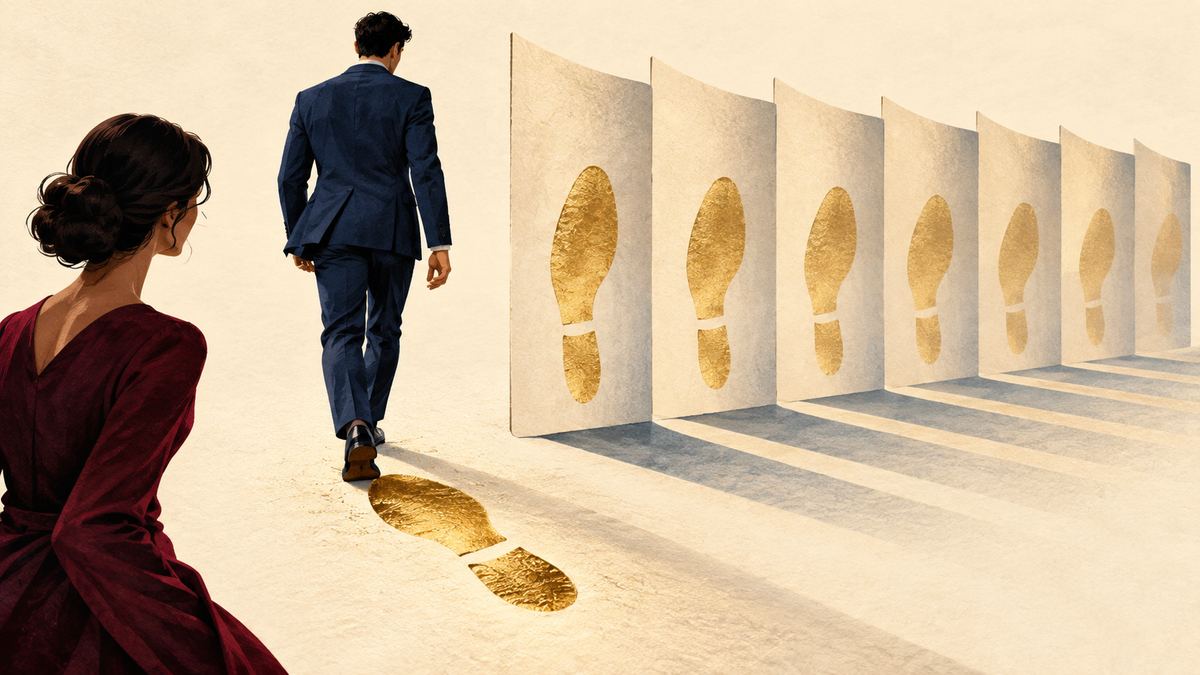
On my first day as a senior executive, hired into the role at the age of 30, I did not walk into my office. I walked the floor and greeted people at their desks.
A new role, a new team or a newly reorganized function gives a leader one chance at a first impression, and too many leaders treat it like a performance. They arrive with a big vision, a polished presentation and a clear message about who is in charge.
That approach usually backfires. Leaders who try too hard to impress often lose the respect they are trying to earn. People do not want a display of power. They want to know whether they can trust you, and that answer takes time.
The best leaders make unforgettable first impressions not by forcing rapport, but by creating a safe environment for engagement and then proving, day after day, that it was real.
Why I Started at Their Desks
That walk was not improvised. Before I arrived, I obtained a diagram of the building with the seating designations of the employees, along with their job descriptions and the personal information they had chosen to share. I genuinely wanted people to know that I valued them, cared about their interests and wanted to contribute to their professional goals right away.
I encouraged them to ask questions and challenge my opinions, and I established an open-door policy. My personal motto guided the rest: never advise others to do something you have never done yourself.
That first day mattered. But what mattered more was whether I kept showing up the same way in the months that followed.
What People Actually Remember
In my experience, the leaders people remember most bring the same qualities into every interaction, and those qualities fall into four groups.
How you show up. A warm greeting with eye contact, a real handshake or a genuine hello on a video call, and a story that makes you human. A polished presence, because appearance and preparation signal that you take the people in front of you seriously. Friendliness that feels natural rather than scripted, and the authenticity to represent yourself as you are, not as the role you think you should play.
How you pay attention. Listening to what people say and to what they leave unsaid. Asking about their perspectives and what is getting in their way. Acknowledging what makes each person distinct and what they had already accomplished before you arrived.
How you earn credibility. Knowing the business and showing a commitment to continuous improvement. Being available in person and online instead of hiding behind calendars and assistants. Doing the work you ask others to do, with the same style and approach in good weeks and hard ones.
How you make people feel. A sense of humor that balances the intensity of the work. The vulnerability to share your own challenges so others feel safe sharing theirs. And the ability to give people reasons to believe when the path ahead is unclear.
None of these qualities is remarkable on its own. What makes them memorable is seeing them together, again and again, long after the welcome handshakes are over.
Why Consistency Is the Real Test
A strong first day earns attention. It does not earn trust. People watch what you do after the introductions are over. Do you still listen when deadlines tighten? Do you still make time when your calendar fills? Do you still ask for input once you have formed your own opinions?
That is why I believe a first impression really lasts about six months. These traits need to be applied steadily through that period and beyond before they create lasting impact. If the leader people meet in month five is different from the one they met on day one, the first impression becomes a broken promise.
Many leaders now inherit people they have never met in person, which means a first impression may be formed over a camera and confirmed through dozens of small digital interactions. Consistency is what turns those fragments into a reputation, and a reputation is what people will describe to the next person who joins your team.
Plan Day One and Month Six Together
- Learn about each person before you meet them: their role, their work and what they have chosen to share.
- Meet people where they work before you ask them to come to you.
- Invite questions and challenges in your first week, and thank people when they offer them.
- Write down how you want to be experienced, and check yourself against it at the one, three and six month marks.
Your first impression is not what you say when you arrive. It is what people conclude after watching you lead for half a year. As I have written before, executive presence is about others, and so is every impression worth making.
Want to explore these ideas further? Learn more about my work on leadership, identity and conviction at www.theglennllopis.com.



.svg)
.svg)
.svg)
.svg)
.svg)
.svg)
