Individuality
·
Leadership
Bring Your Whole Self to Work. Then What?
Inviting people to be authentic at work is the easy part. Building an environment that can actually hold their individuality is the work leaders keep skipping.
"Bring your whole self to work" has become one of the most repeated phrases in modern leadership. It's a good instinct. People spend an enormous share of their lives at work. Dambisa Moyo notes in How Boards Work that by some estimates the average person spends ninety thousand hours working over a lifetime. Asking them to leave most of who they are at the door was never sustainable.
But Moyo raises a point leaders rarely say aloud. The blurring of work and personal life, she writes, "throws up a multitude of issues for which traditional board thinking might be ill-equipped." Bringing one's whole self to work is likely to lead to more frequent power struggles between employers and employees.
When individuality meets the institution
Moyo offers examples. Disagreements between employees and management that once stayed behind closed doors now play out in public. She describes how, in 2019, Google employees refused to work on a US Department of Defense contract, and management ultimately did not sign it. Whatever you think of that outcome, it shows what happens when individual conviction and institutional strategy collide.
Her view is nuanced. Not every act of self-advocacy is confrontational. She borrows the economic idea of Pareto efficiency to suggest a board might decide that individual employees pursuing personal agendas is harmless if the whole company can be better off without anyone being worse off. She also argues that leaders should make the case for why people would want to work there, and keep matching employees with work they enjoy.
That last idea is the one I want to build on.
Permission isn't the same as design
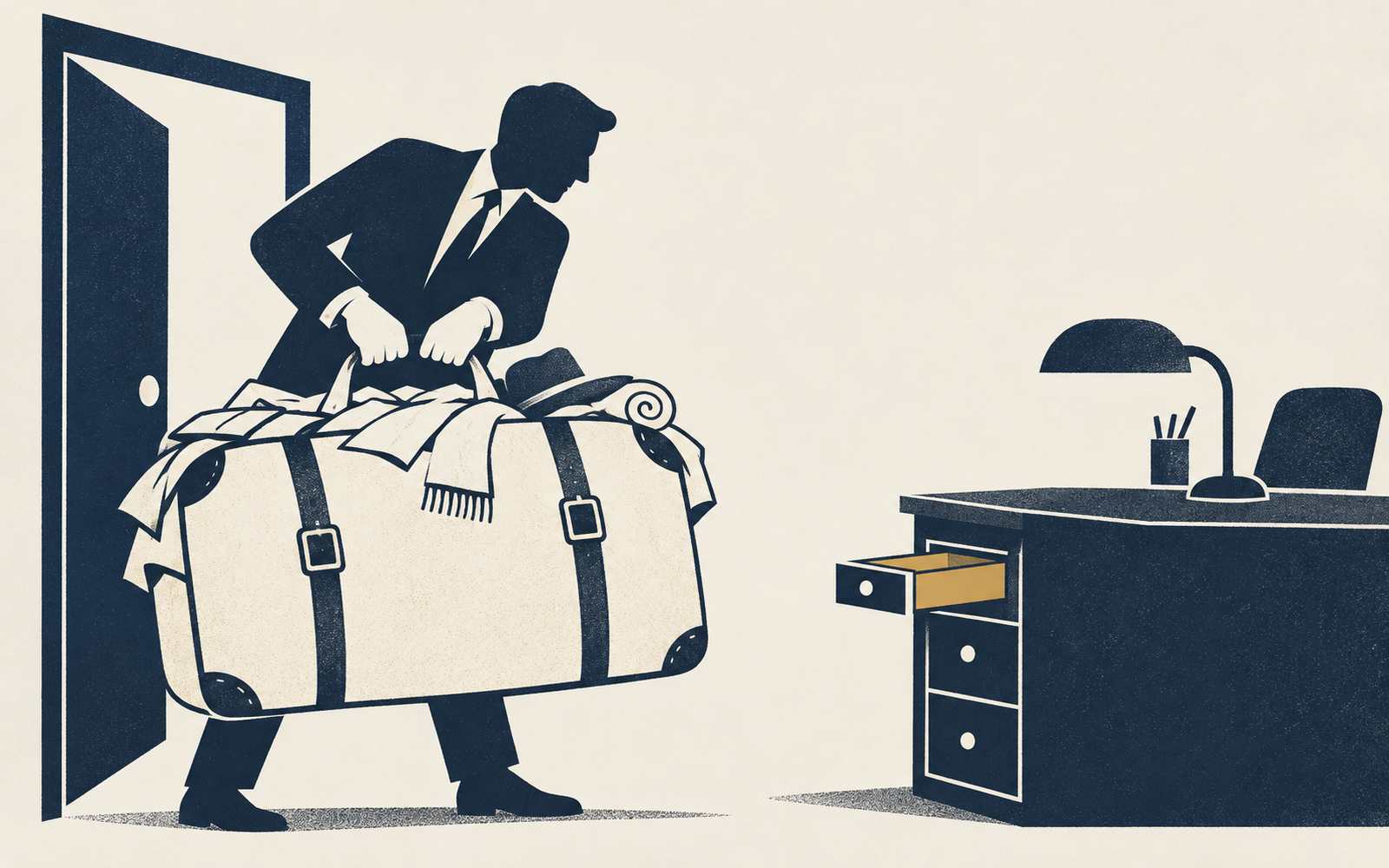
Many organizations have given people permission to be themselves without changing anything about how work is designed. The invitation is there. The environment isn't. So people bring their whole selves into systems still built for interchangeable parts, and the friction shows up as frustration, disengagement or public conflict.
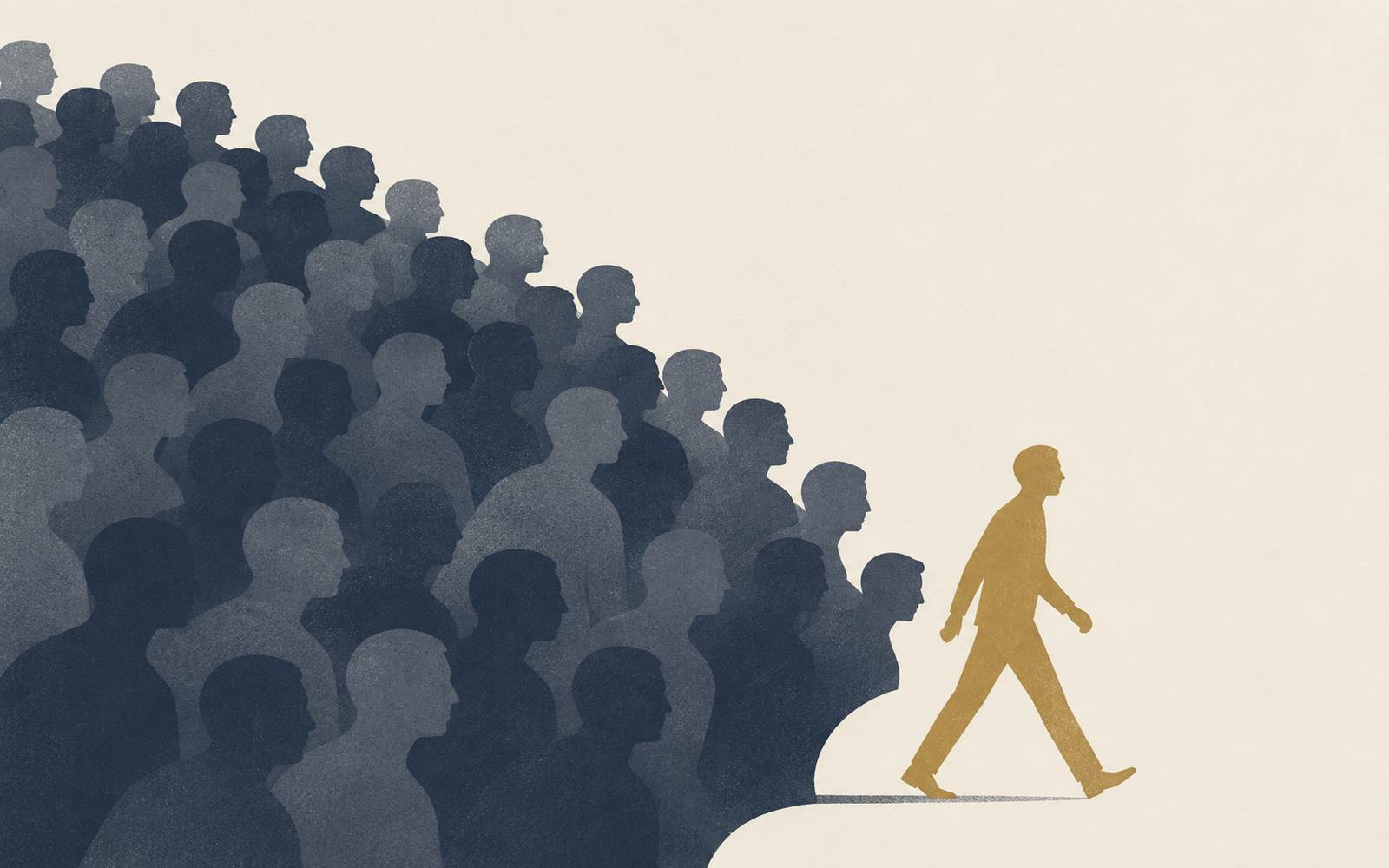
Our research at the Glenn Llopis Group found that 87 percent of managers report their individuality is suppressed at work. That's not a permission problem. People have heard the slogan. It's an environment problem: roles, processes and expectations that leave little room for what each person uniquely brings.
Bringing your whole self to work only creates value when the work has room for it.
What "then what" looks like
Know what each person actually brings. You can't make room for individuality you've never discovered. Ask people what they do best, what energizes them and where they see opportunities others miss.
Design roles around contribution, not just job descriptions. Moyo's point about matching people with work they enjoy is practical, not sentimental. When people's work draws on what they uniquely offer, engagement stops being a program and becomes a byproduct.
Make the shared boundaries explicit. Individuality thrives inside clear commitments. People need to know which decisions are theirs, which belong to the organization and how disagreement gets handled. Clarity is what makes authenticity safe.
Treat disagreement as information. When people push back, they're telling you something about where your values and your practices have drifted apart. Listen before you manage it.
The balance leaders have to hold
There's a healthy tension here. An organization can't function if every individual sets their own direction. It also can't thrive if individuals are asked to suppress what makes them valuable. Neither extreme works. The harmony between them depends on the people, the circumstances and the risks the organization can take.
What doesn't work is the current halfway point: encouraging people to show up fully while expecting them to fit the same mold as before.
Beyond the slogan
"Bring your whole self to work" was never meant to be the destination. It's the opening line of a much harder conversation about how organizations are built.
The leaders who get this right won't be the ones who say it most often. They'll be the ones who redesign the environment so that when people bring their whole selves, there's actually somewhere for all of it to go.
This essay responds to ideas in How Boards Work by Dambisa Moyo (Basic Books, 2021). The Google example, the ninety-thousand-hour estimate and the Pareto efficiency framing are as described in her book.
Take the Conviction Diagnostic to see where your own individuality is showing up, and where it isn't.
Want to explore these ideas further? Learn more about my work on leadership, identity and conviction at www.theglennllopis.com.
Inviting people to be themselves is generous. Building a place where they can is leadership.
© 2026 Glenn Llopis Group, LLC. All rights reserved.
This article is the original work of Glenn Llopis and is protected by copyright. It may not be republished, reproduced, distributed or adapted, in whole or in part, in print, online or by AI tools, without prior written consent. You are welcome to share the link or quote a brief excerpt with credit to Glenn Llopis and a link back to this page. For permission requests, contact solutions@glennllopisgroup.com.
Get the next essay in your inbox
New essays on leadership, identity and conviction, sent to you when they publish. Free, and you can unsubscribe anytime.
Thank you. You're subscribed to Conviction Chronicles.
Something went wrong. Please try again.