Individuality
·
Culture
One Company, Many Cultures
The retail banker and the trader work for the same company and live by very different rules. The answer isn't to make them the same.
Walk through a large bank and you'll find two worlds under one roof. In one, a branch employee patiently explains a mortgage to a nervous first-time buyer. In the other, a trader makes split-second decisions in anonymous financial markets where hesitation costs money.
Dambisa Moyo uses this exact contrast in How Boards Work. She describes "the more sedate, courteous, and collaborative approach of an employee engaging with retail customers" next to "the aggressive, cutthroat mentality of a trader." Her observation is that distinct and often competing subcultures exist in every organization, and that the board's duty is to help harmonize them.
What I appreciate about her framing is what it doesn't say. It doesn't say the subcultures must disappear.
The temptation to standardize culture
When leaders notice that different parts of an organization behave differently, the instinct is to fix it. Roll out one culture. One set of behaviors. One way of working. It feels like alignment.
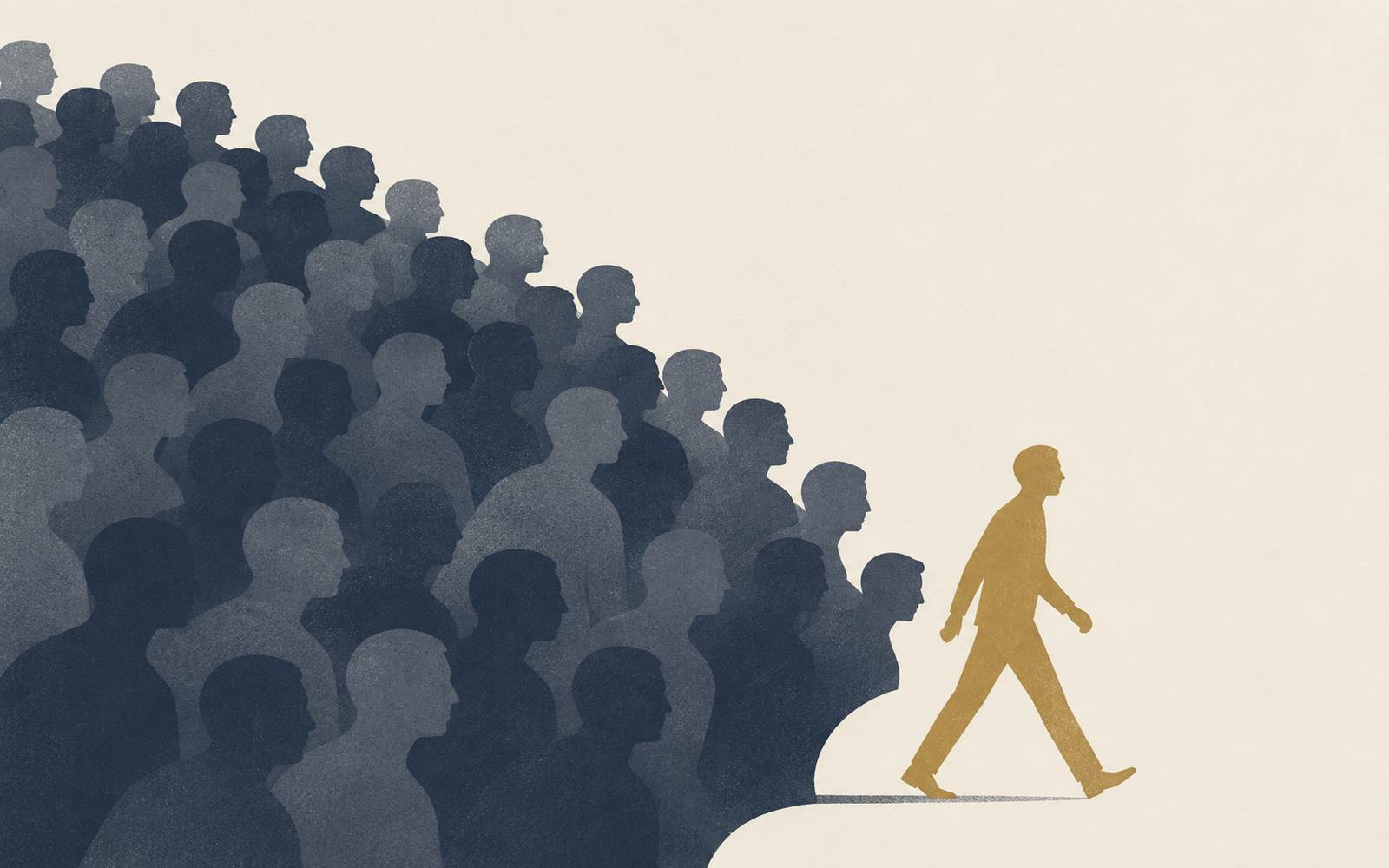
In practice, forcing every team into the same mold usually backfires. The trader who is asked to slow down and build consensus loses the edge the role requires. The branch employee pushed to move faster loses the patience customers came for. Standardizing culture past a certain point doesn't create unity. It creates a workforce that's quietly working against its own instincts.
Moyo's approach is more balanced. The board, she writes, must define the tenets that apply across the whole organization, such as a customer-first focus, integrity, respect and excellence. Boards can tolerate competing subcultures as long as they don't counteract or undermine those overall values.
Harmony is not sameness
This is the healthy tension I talk about between standardization and personalization. Harmony doesn't mean a fifty-fifty split. It means finding the balance that fits a particular group of people, in a particular environment, with a particular mission. The trading floor and the branch will find different balances, and both can still be true to the same core.
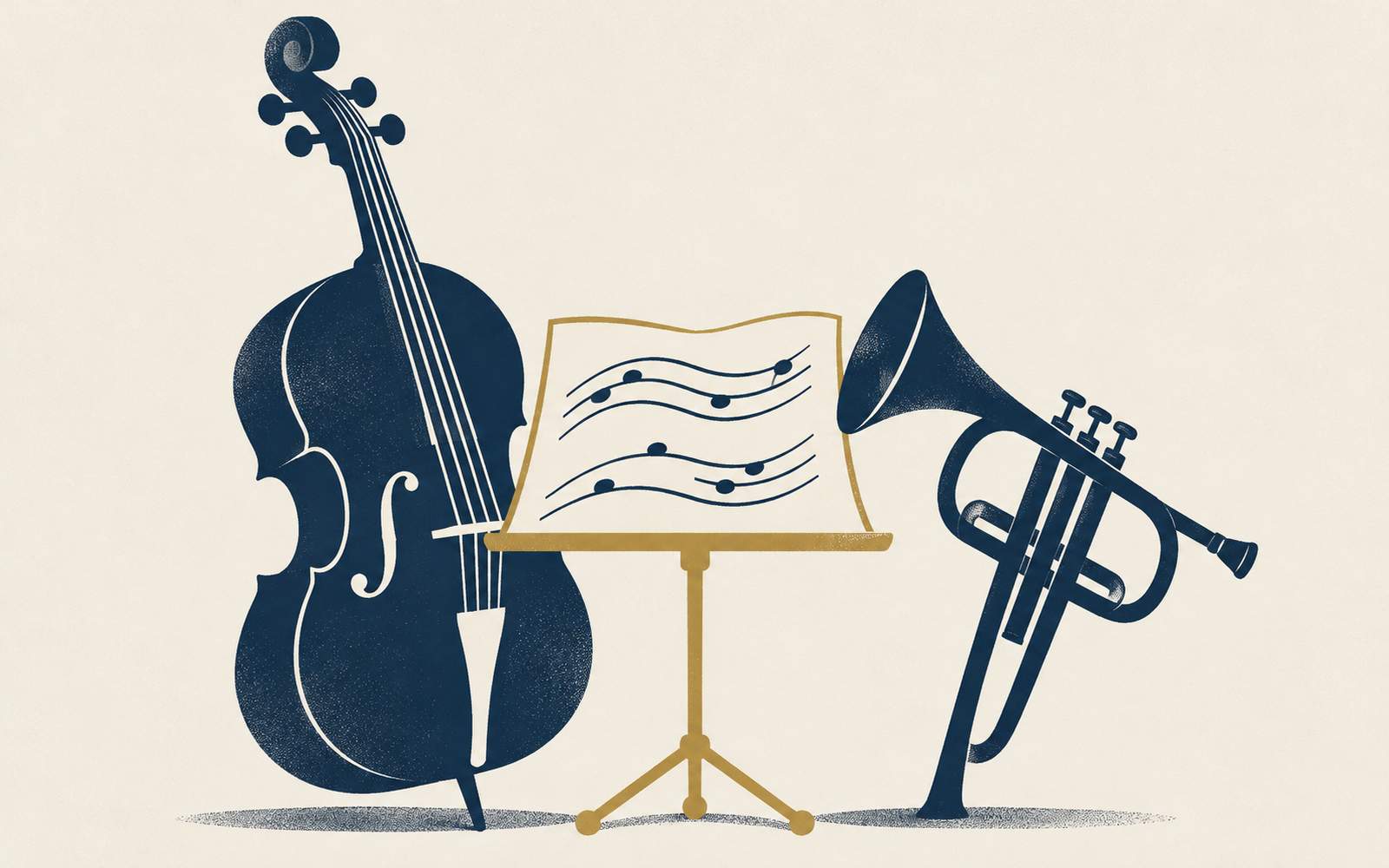
Think of the shared values as the key a piece of music is written in. Every instrument plays in that key. They don't all play the same notes. The result only works because each part is different and all of them respect the same foundation.
Leaders who understand this stop asking, "How do we make everyone act alike?" They start asking, "What must be true everywhere, and where should each team be free to be itself?"
Where it goes wrong
Moyo is clear that tolerance has limits. Subcultures become dangerous when they drift away from the shared foundation. A sales team that celebrates hitting numbers at any cost, a division where speaking up is punished, a unit that treats compliance as someone else's job: each may feel like "just how we do things here." Each can bring an organization down.
She also notes the extra challenge for global companies, where employees from very different national, cultural and religious backgrounds are asked to live by one set of values. When corporate norms clash with local custom, people may simply stop complying or subscribe to other values.
The leader's job is to watch for that drift, and to tell the difference between a subculture that expresses the values differently and one that has quietly abandoned them.
A practical approach
Name the nonnegotiables, and keep the list short. A handful of values that truly apply everywhere is stronger than twenty that nobody can remember.
Let teams translate them. Ask each group to describe what integrity, respect or excellence looks like in its own work. The answers will differ. That's the point.
Check for drift, not difference. When a team behaves unusually, ask whether it's honoring the shared values in its own way or working around them. Only the second needs fixing.
Bring the subcultures into the same room. The trader and the branch employee rarely meet. When they do, each tends to gain respect for what the other protects.
Unity through individuality
The strongest organizations I've worked with don't have one culture copied into every corner. They have a shared core, held with conviction, and many local expressions of it, each shaped by the people and the work.
That's harder to manage than uniformity. It's also far more resilient, because the culture lives in people rather than in a policy manual.
This essay responds to ideas in How Boards Work by Dambisa Moyo (Basic Books, 2021). The universal bank example and her guidance on subcultures are hers.
Explore how individuality shapes environments in the Individuality practice.
Want to explore these ideas further? Learn more about my work on leadership, identity and conviction at www.theglennllopis.com.
A strong culture doesn't make everyone the same. It makes everyone answerable to the same few things that matter.
© 2026 Glenn Llopis Group, LLC. All rights reserved.
This article is the original work of Glenn Llopis and is protected by copyright. It may not be republished, reproduced, distributed or adapted, in whole or in part, in print, online or by AI tools, without prior written consent. You are welcome to share the link or quote a brief excerpt with credit to Glenn Llopis and a link back to this page. For permission requests, contact solutions@glennllopisgroup.com.
Get the next essay in your inbox
New essays on leadership, identity and conviction, sent to you when they publish. Free, and you can unsubscribe anytime.
Thank you. You're subscribed to Conviction Chronicles.
Something went wrong. Please try again.