.svg)
Reinvention
·
Transformation
HR Must Grow People, Not Just Protect the Company
Human resources can no longer be a compliance function. In an era of AI and constant change, HR must become a human capital growth engine that develops individuals and drives strategy.

A compliance cop. A department that shows up when something goes wrong. For too long, that is how employees have seen human resources: as a function that exists to protect the company from its people.
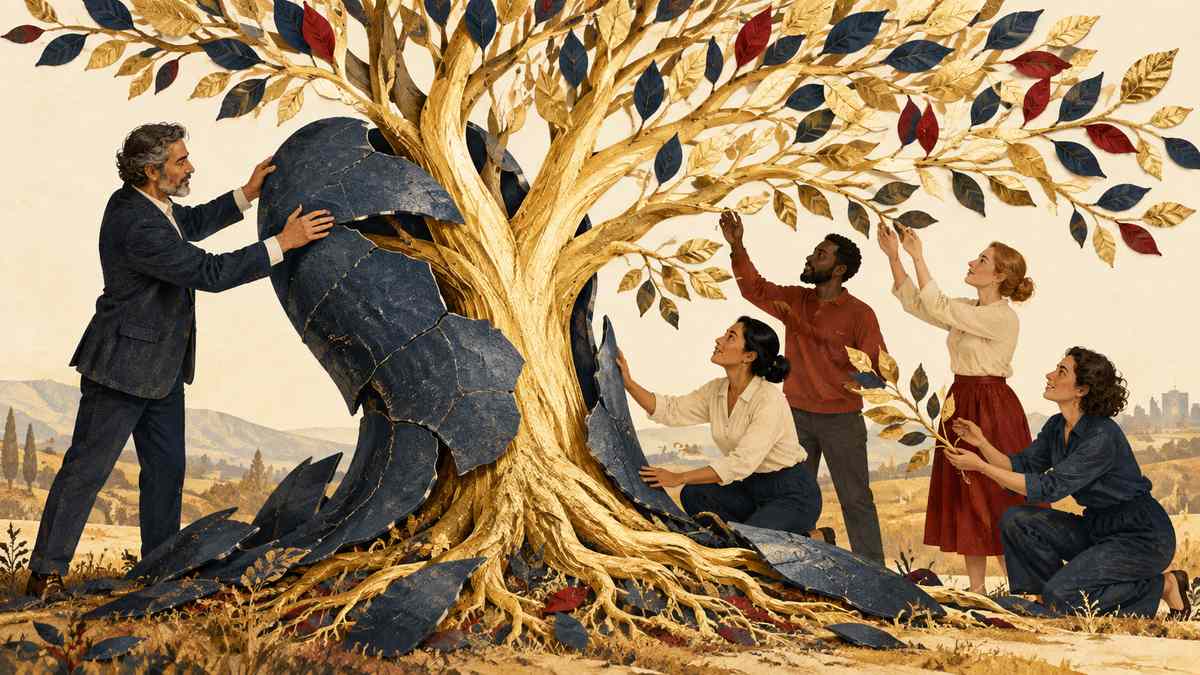
That reputation was never healthy, and it is no longer sustainable. In an era when the individual defines the business, rather than the business defining the individual, HR needs more than a new strategy. It needs a complete shift in mindset: from human resources to human capital.
The Difference Between Resources and Capital
The alignment HR must drive is between individual capabilities and what those capabilities can solve for inside the organization. The problem is that organizations usually try to align capabilities with job titles and functions.
The difference between the function and what it solves for is the difference between human resources and human capital. Human capital is how people contribute to growth. It gives individuals room to influence more. The individual should help define the business, and therefore should help define the work HR does.
The stakes are higher now because the work itself is being redesigned. As AI automates tasks, skills that were valuable two years ago are losing value, and new ones are emerging faster than job architectures can capture them. HR is the function best positioned to help people make that shift, if it is willing to lead rather than administer.
Data Is Not a Substitute for People
HR cannot only be about data, either. People analytics tools have become powerful, and they belong in every HR leader's toolkit. But not everything human can be optimized through data. Looking at a dashboard is no replacement for insight and listening.
That is what gets lost in so many conversations about the future of HR: people. Employees as a group can be studied, measured and managed. People are individuals. We can't forget them.
I like to say that people analytics is really people and analytics. HR leaders need to be as much human experts as data experts. You don't need data to know that the most loyal employees are the ones who have the opportunity to grow and align that growth with the growth of the company.
What One Company Taught Me
Years ago, I spoke with the leadership of Banfield Pet Hospital, a large veterinary practice, about how it was aligning its people strategy with its growth strategy. The company didn't even call its HR function human resources. It called it People and Organization.
Its president at the time told me that when he screened dozens of candidates for the top HR role, very few talked about developing people. He wasn't looking for compliance expertise. He wanted someone who understood behavior, thought processes and individual development. Compensation and benefits can be taught. Intuitively understanding people, and the role they play in delivering strategy, is much harder to find.
He was describing a strategic co-pilot to the CEO, and that is what the best HR leaders are. They collaborate with finance, operations, marketing, technology and strategy to solve business problems, and they are accountable for developing the leaders of the future, not just managing today's workforce.
The Questions HR Must Own
A human capital function asks the big questions:
- Capability: Does the organization have the people and skills it needs to execute its strategy and grow?
- Investment: Are we investing in human capital for the future, or only managing costs for today?
- Autonomy: Are we telling people exactly how to operate, or giving individuals room to contribute more?
- Development: Do people know where they can go next and what it takes to get there?
- Readiness: As roles change, are we helping people build the next set of skills before the old ones disappear?
People want feedback. They want to be involved and to know if they are doing a good job. They also want to know what's next. HR should be the function that answers that question for every individual, enabling their full potential rather than simply managing their performance.
Hire for People First, Process Second
The Banfield president's instinct is the place to begin. Ask your HR team what it solves for, not what it administers. Give HR a seat in strategy discussions from the beginning, not after decisions are made. Pair every people analytics report with direct conversations with the employees behind the numbers, and map the skills that are changing in your organization so development paths follow them. When you fill HR roles, hire for understanding of people first and process second.
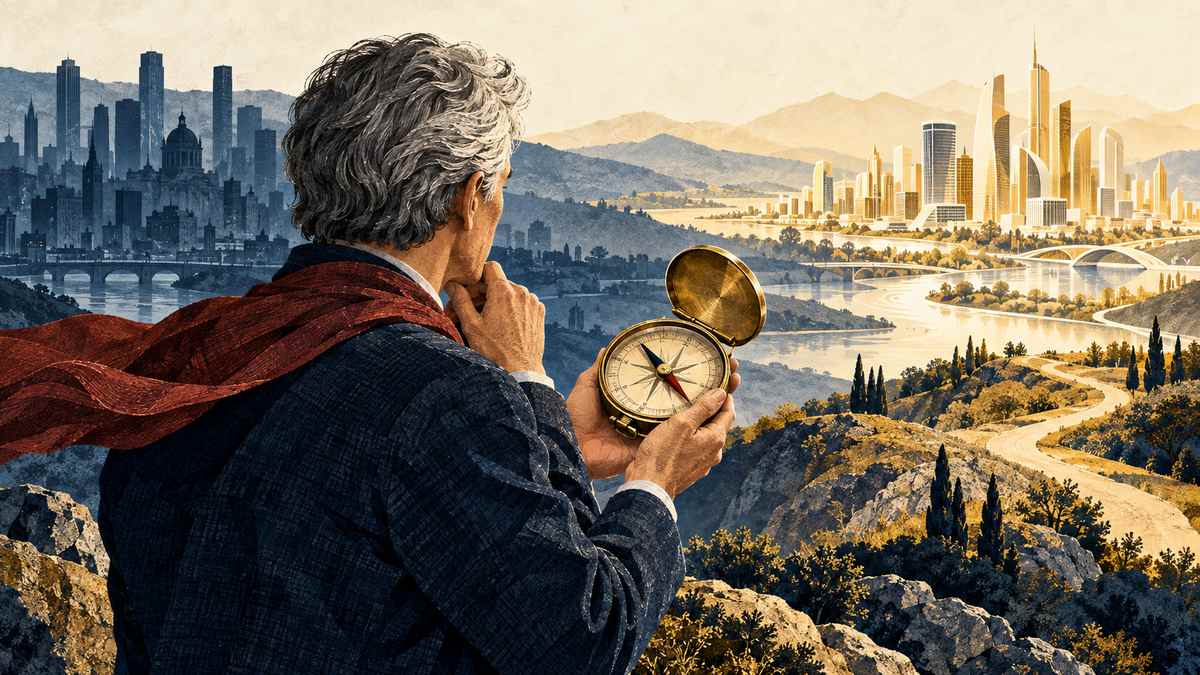
From Protection to Growth
Organizations provide structure. The best ones also give individuals room to influence outcomes, and that helps them compete for talent in a market where the right people, in the right roles, with the right capabilities, remain the greatest strategic advantage.
For organizations to evolve, it is time for human resources departments to become human capital growth departments. The companies that make that shift will be the ones people want to join, and stay with.
Want to explore these ideas further? Learn more about my work on leadership, identity and conviction at www.theglennllopis.com.


.svg)
.svg)
.svg)
.svg)
.svg)
.svg)
