Individuality
·
Individuality
No One Wants a Seat Because of a Label
A shareholder once demanded to know why Dambisa Moyo deserved her board seat. Her answer to that moment says a lot about where inclusion has to go next.

In May 2010, Dambisa Moyo was onstage with her fellow directors at a company's annual general meeting. During the question-and-answer session, a shareholder gestured toward her and asked the chairman, "What are the credentials of that statutory board member that she would be allowed to sit on this company's board?"
She was, at the time, the only woman and the only visible minority on the board.
Moyo tells this story in How Boards Work. The chairman directed the shareholder to the annual report, which listed every director's education and experience. After her "instinctive embarrassment" passed, she writes, the episode reminded her of the urgent need for boards to include more women, more ethnic and racial minorities and a generally more diverse group.
What she wrote next
The line from Moyo's discussion that I keep returning to is this one: no one, including women and minorities, "wants to occupy a board seat (or any seat for that matter) purely because of their race or gender."
She makes two points at once. Boards populated by people "who look and think alike" are, in her words, "a veritable death knell for a twenty-first-century company." And the way to fix that is not to reduce people to the category they belong to. She cautions against hiring anyone simply because it makes the numbers look good, because it can taint perfectly competent people as only being in the room because of a label, which harms both them and the board's ability to trust one another.
You can agree or disagree with her views on quotas, and many thoughtful people disagree. But the human insight underneath is hard to argue with. People want to be seen for what they bring.
From categories to the individual
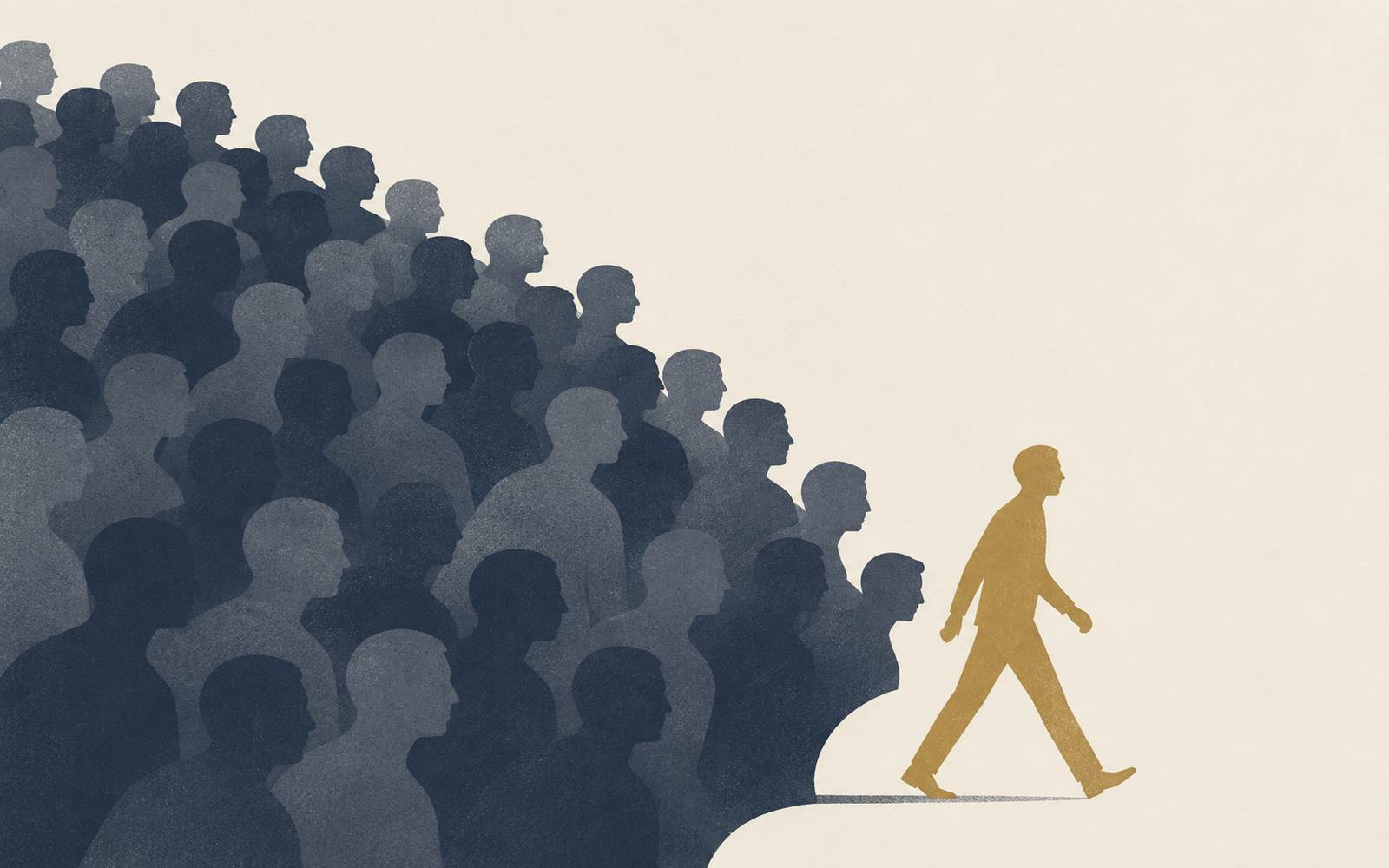
My own thinking on this has evolved. Early in my career, I spoke about the changing face of the workforce mostly through the lens of diversity and inclusion. Over time, I watched categories, labels and silos start to work against the very people they were meant to help. Differences got sorted into boxes. People were seen as representatives of a group before they were seen as themselves.
That's why I talk now about the individual. Inclusion that stops at the category still treats people as interchangeable within it. Real inclusion asks what this particular person uniquely brings, and builds an environment where they can contribute it.
Moyo's shareholder didn't ask about her expertise in emerging-market economics, her work at the World Bank or her judgment. He saw a category and questioned whether it belonged. That's the failure. Not that he noticed she was different, but that he couldn't see past the difference to the person.
What this asks of leaders
Recruit for contribution, and widen where you look. Moyo argues that the pool of strong candidates is far larger than boards assume, if recruiters change the networks they rely on. Looking further is how you find people others have overlooked.
Introduce people by what they bring. When someone joins a board or a team, lead with their expertise and perspective. How you introduce people shapes how others see them.
Protect trust in the room. If colleagues start doubting why someone is at the table, the team breaks down. Leaders prevent that by making each person's contribution visible.
Ask what's unique, not just what's different. Difference is a starting point. Uniqueness is the value.
Being seen
Moyo's story ends quietly. The shareholder sat down, "seemingly appeased." I suspect the more lasting effect was on her, and on everyone in that room who saw how quickly a person can be reduced to a label.
The future of inclusion isn't counting more categories. It's building organizations where nobody has to defend their right to be in the room, because everyone can see why they're there.
This essay responds to ideas in How Boards Work by Dambisa Moyo (Basic Books, 2021). The 2010 annual meeting story is hers, told in her own book.
Want to explore these ideas further? Learn more about my work on leadership, identity and conviction at www.theglennllopis.com.
People don't want to be counted. They want to be known.
© 2026 Glenn Llopis Group, LLC. All rights reserved.
This article is the original work of Glenn Llopis and is protected by copyright. It may not be republished, reproduced, distributed or adapted, in whole or in part, in print, online or by AI tools, without prior written consent. You are welcome to share the link or quote a brief excerpt with credit to Glenn Llopis and a link back to this page. For permission requests, contact solutions@glennllopisgroup.com.
Get the next essay in your inbox
New essays on leadership, identity and conviction, sent to you when they publish. Free, and you can unsubscribe anytime.
Thank you. You're subscribed to Conviction Chronicles.
Something went wrong. Please try again.