Reinvention
·
Reinvention
Resilience Kept Puerto Rico Standing. Reinvention Will Move It Forward.
Puerto Rico has more resilience than almost anywhere I know. What it needs now is reinvention, and the two are not the same thing.

I opened our Human Capital Reinvention forum in Puerto Rico without a script. I spoke in Spanish and in English, and I began with my father.
My father was a chemical engineer from Camagüey, Cuba, trained at Cornell, who became a musician. He was abroad when the revolution began, and he could not go home. So he did the only thing he could: he started over. He sold recording contracts country by country until he reached California, and then he reinvented himself again.
I didn't share that story because it is unusual. I shared it because nearly everyone in that room had a version of it in their own family. Puerto Ricans know how to keep going when circumstances turn against them. Hurricanes, blackouts, an economy that stalled for years. The island has resilience in abundance.
In my three years of working on the island, I heard the word resilience more than almost any other. Every time, I thought the same thing: so much resilience, and maybe not enough reinvention.
What I said next was harder to hear. Resilience is not the same as reinvention, and Puerto Rico's organizations need far more of the second.
The difference between enduring and evolving
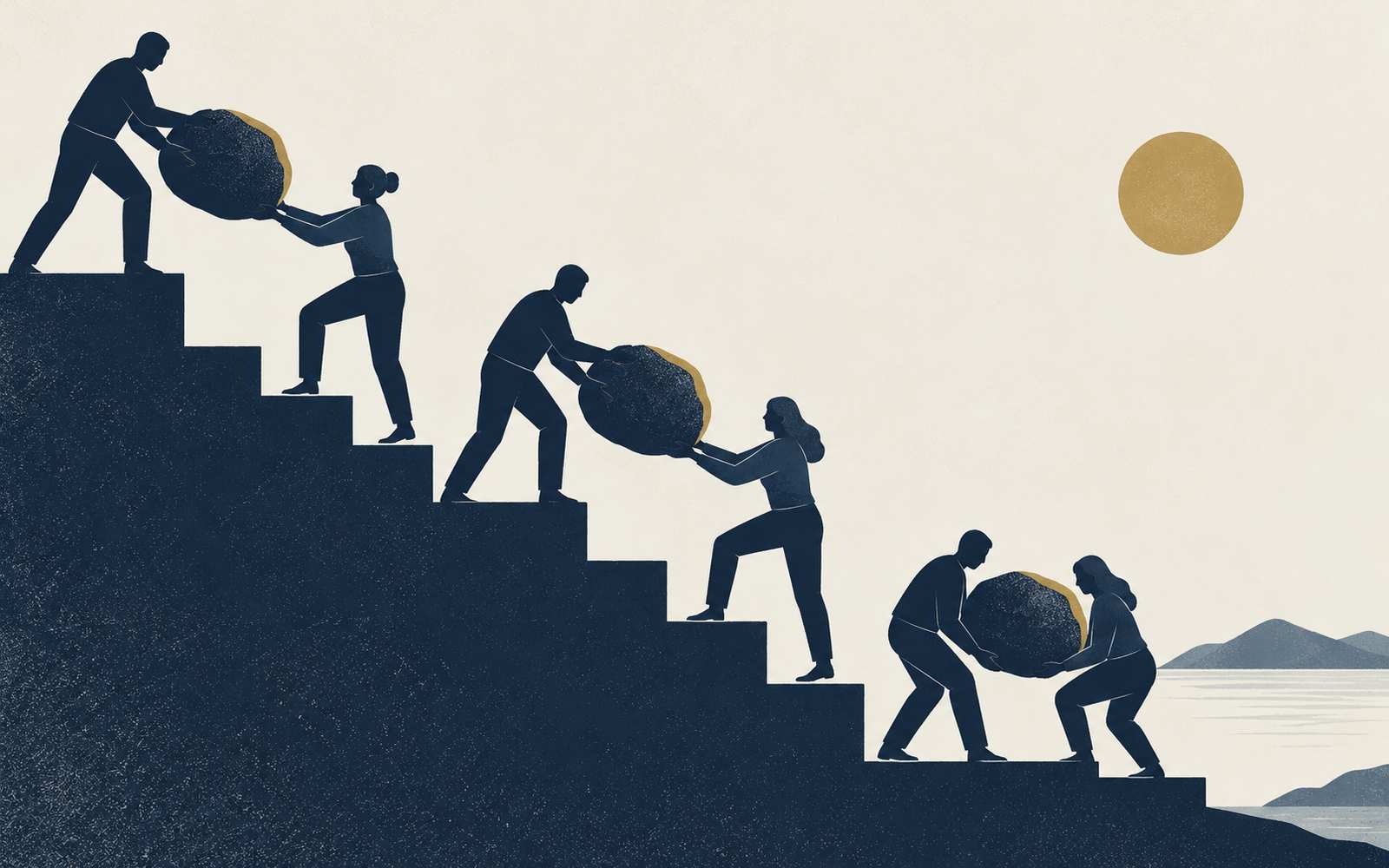
Resilience is the capacity to absorb a blow and remain standing. It is admirable, and it is necessary. But resilience, on its own, tends to return you to where you were. You recover the old routines, the old structures and the old ways of leading, because those are what you know.
Reinvention asks a different question. Not how do we get back, but who do we need to become? My father didn't survive by recreating the life he had in Cuba. He survived by building one that fit where he was.
Too many organizations treat every disruption as something to endure until normal returns. Meanwhile the people inside them have already changed. They want more ownership, more meaning and more say in how their work gets done. When leaders keep defining people the old way, the most capable among them leave, sometimes for another company and sometimes for another country.
I asked the room a question my father taught me to ask myself. Would you rather disrupt your own comfort, or be forced to embrace discomfort later? Most leaders know the answer. We hesitate anyway, because we spend too much time worrying about what people will think of us. We get caught between assimilation and authenticity, between who others want us to be and who we actually are.
I learned that lesson early. In one of my first jobs, someone told me I was too passionate. I went home and told my parents. They said that all the company cared about was the numbers, so I should triple the passion and deliver the numbers, and no one would ever call me too passionate again. They were right.
Let individuals define the organization
In Spanish I told the room, "Ahora es el tiempo para que los individuos tengan la oportunidad de definir las organizaciones." Now is the time for individuals to have the opportunity to define organizations.
For most of the last century, institutions defined the individual. They told people what to value, how to behave and how far they could go. That arrangement is ending everywhere, and in Puerto Rico it is ending faster because the island cannot afford to waste a single person's potential.
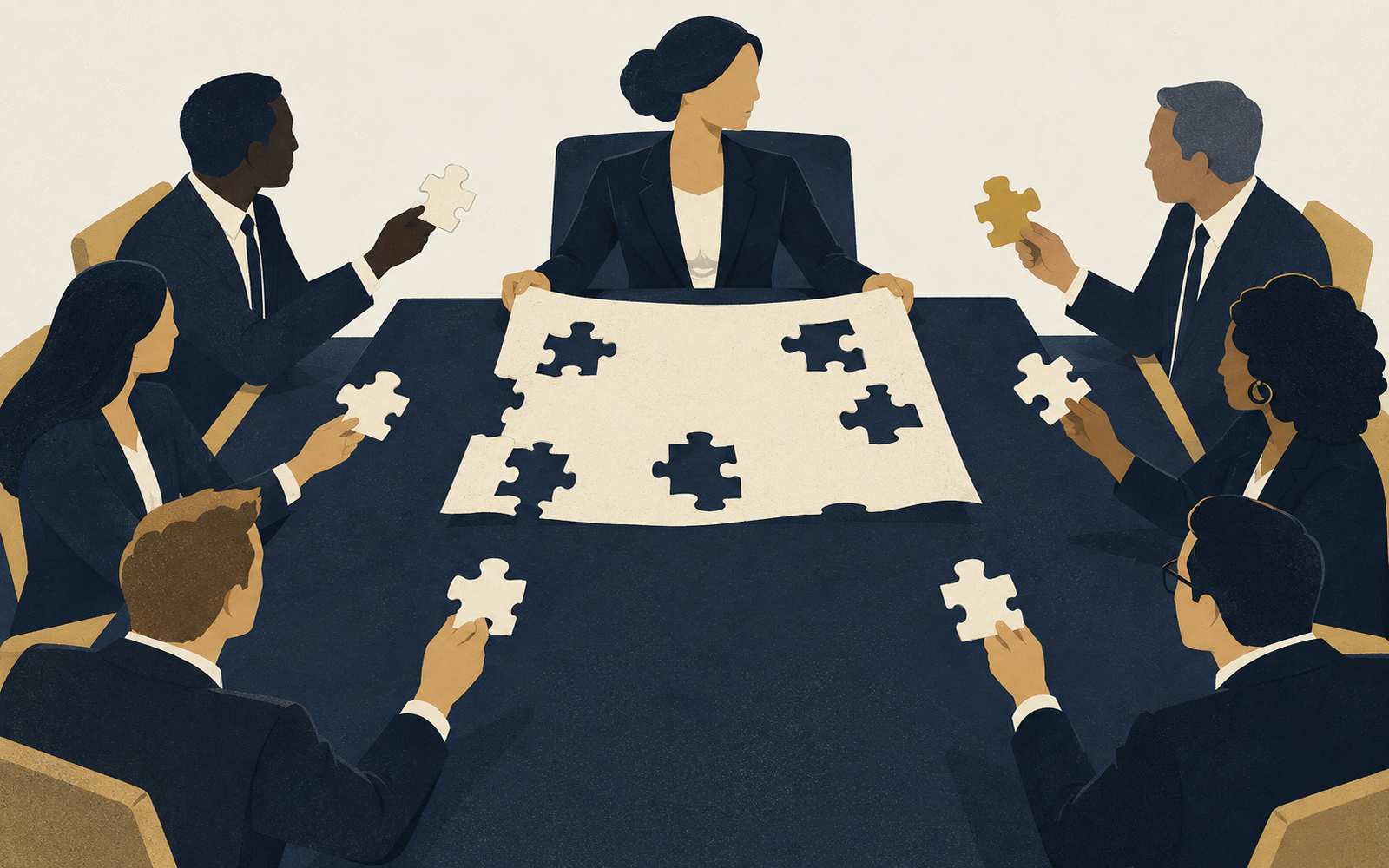
When individuals help define the organization, something shifts. People stop waiting to be told who they are allowed to be at work. They start contributing what is unmistakably theirs. That is where growth comes from in an economy that can no longer count on adding more workers.
The room told me it was ready
When I closed the forum, hours after we started, people were still in the room, still talking with each other. I took that as a signal. Puerto Rico's leaders are ready to try something different.
I also told them why we recorded the day. I wanted them to have a summary they could turn into their own narrative, with their own economists, executives and HR leaders explaining the challenge in their own words. Reinvention that comes from outside rarely lasts. It has to belong to the people doing it.
And I said what I believe about reinvention everywhere: it is not a one-time event. It's a mindset. It begins with you.
Questions worth sitting with
- When your organization recovers from a disruption, does it return to old habits or build new ones?
- Where are you asking people to be resilient when what they need is room to reinvent?
- Which of your people already know how the organization should change, and have never been asked?
- What did your own family teach you about starting over, and do you lead that way?
You can watch my opening at the forum in Puerto Rico's Leadership Shift and my closing in Stop Playing It Safe. I write more about why reinvention is reclamation, not invention, on my Reinvention page.
Puerto Rico has already proved it can survive almost anything. The next chapter belongs to the leaders willing to reinvent.
Want to explore these ideas further? Learn more about my work on leadership, identity and conviction at www.theglennllopis.com.
Resilience helps you survive the storm. Reinvention decides who you become after it passes.
© 2026 Glenn Llopis. All rights reserved.
This article is the original work of Glenn Llopis and is protected by copyright. It may not be republished, reproduced, distributed or adapted, in whole or in part, in print, online or by AI tools, without prior written consent. You are welcome to share the link or quote a brief excerpt with credit to Glenn Llopis and a link back to this page. For permission requests, contact solutions@glennllopisgroup.com.
Get the next essay in your inbox
New essays on leadership, identity and conviction, sent to you when they publish. Free, and you can unsubscribe anytime.
Thank you. You're subscribed to Conviction Chronicles.
Something went wrong. Please try again.