.svg)
The dean of the College of Nursing at University of Phoenix tells Glenn Llopis why she arrived all business, what changed when she let herself laugh, and why technology is becoming a new form of standardization in nursing.
Raelene Brooks
PhD, RN; Dean, College of Nursing, University of Phoenix (at the time of recording)
University of Phoenix
·
Personalization Outbreak podcast
·
41
min
·
Episode
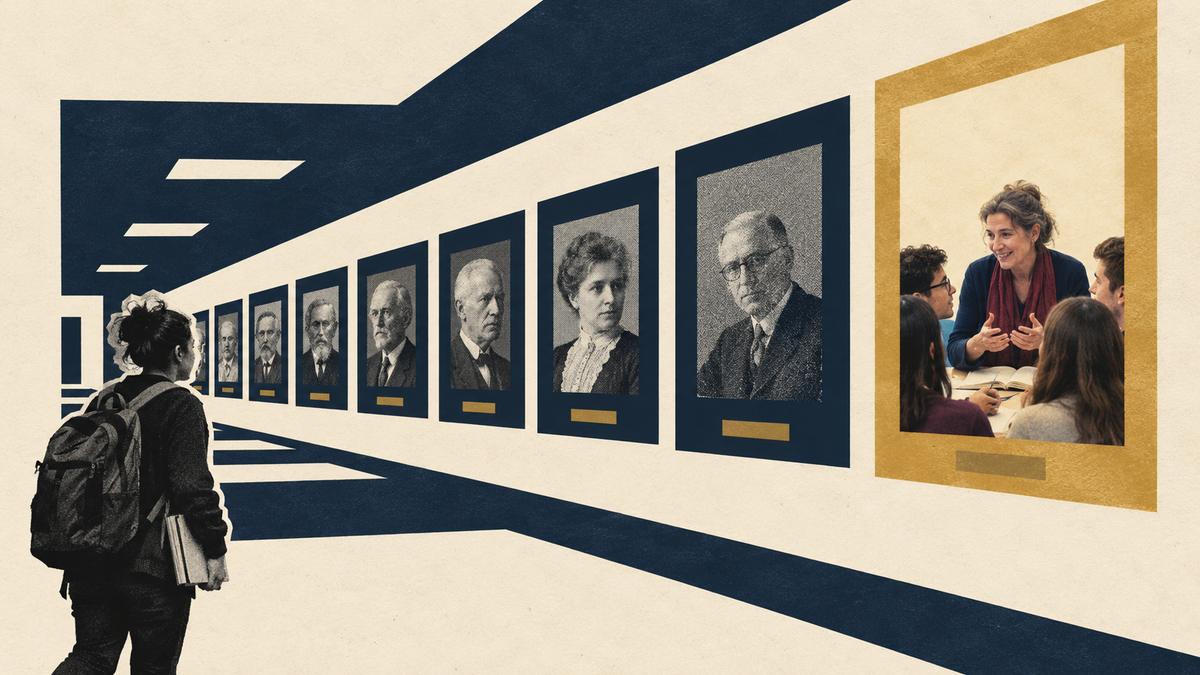
So as a leader, when you walk into the room, you need to understand the people you're working with.
Raelene Brooks
Dr. Raelene Brooks has been a registered nurse for nearly thirty years and is dean of the College of Nursing at University of Phoenix. This conversation is part of Glenn Llopis’s nursing leadership series, and it covers what nurse leaders have to do differently now: know their people, deliver directives with meaning, map the work across disciplines, and stay recognizable from one day to the next.
Her starting point is that the attention a nurse brings to a patient is the same attention a leader owes a team. Nurses read a room the moment they enter it, noticing what is off before anyone says anything. The line at the top of this page is that habit, turned toward colleagues.
It has a practical edge. If someone on the team is quiet or processes slowly before speaking, waiting for them to volunteer will not work. The leader has to ask, because people feel heard when they are asked.
Much of nursing leadership is passing along constraints that someone else set: a budget, a policy, a new requirement. Brooks’s argument is that nurses accept hard directives when they can see the line between the directive and the patient, and that the leader’s job is to draw that line rather than simply relay the instruction.
Her rules of engagement are the same idea in reverse. Bring every idea you have, and then measure it against the end recipient: does this serve the patient and support the family? If not, why are we deciding it?
For the friction between disciplines, which usually sounds like a nurse and a pharmacist blaming each other for a late medication, she uses journey mapping: walk the work visually, from the moment the order is entered to the moment it reaches the bedside, so people can see where the delay actually lives. Her conclusion is that nursing is not a siloed job and cannot be led as one.
Glenn asked whether a leader sets the culture or creates room for people to set it. Brooks answered with her own arrival at the university, where she led as all business at first:
"as a woman of brown skin, I'm a brown biscuit and I don't fit the norm of the deanship." — Raelene Brooks · 00:20:00
What changed was permission, mostly the permission she gave herself:
"smile, have fun, listen, laugh, laugh when it's appropriate, and if it's not, then apologize, but share why it's funny. And that really creates a culture where people can be themselves." — Raelene Brooks · 00:20:00
The evidence arrived from outside. During an accreditation visit, reviewers interviewed her faculty, her alumni and her leadership without her in the room, and asked each of them what it is like to work with her:
"I'm really pleased to share that consistently. The word empathy came up, the word caring came up, the word receptive and open came up." — Raelene Brooks · 00:21:21
Glenn drew the conclusion she was too modest to draw:
"you entered the position as a dean and it wasn't the norm. Guess what? Now it is because it's not about anything other than who you are." — Glenn Llopis · 00:22:06
Brooks kept using the word innovation. Glenn corrected it on air, and the correction is the heart of the page:
"I respect that opinion, but I actually think it's reinvention, and you are an example of that. You are reinventing what a dean of nursing should be, not because it's about you, it's because of what people would want to expect from someone who's a dean." — Glenn Llopis · 00:22:06
He also named what the whole nursing series has surfaced:
"This is probably the biggest issue that's come up in all these conversations, is that that pressure to have to be something that they don't believe in." — Glenn Llopis · 00:22:56
His practical suggestion for any leader: have someone independent ask your team what they expect from you, then compare the answer with how you actually show up.
Asked about barriers, Brooks went straight to the pace of technology change and the expectation that nurses adopt it instantly. People did not enter nursing to become technology experts, she says; they came to make a one-to-one connection with patients and families. So the leader’s task is to hear the fear underneath the resistance, and to value both the nurse who masters the new system and the nurse who is extraordinary at the bedside, rather than quietly ranking one above the other.
Glenn named what that pattern is:
"technology in many respects is becoming a new form of standardization." — Glenn Llopis · 00:28:55
Finding harmony between the two kinds of nurse, instead of building another silo, is the personalization answer in a form any charge nurse can use on a Tuesday.
She closes on what makes any of it sustainable: leaders have to look after their own health and life outside work, because consistency is impossible without it, and authenticity is impossible without self-reflection. Her last word for nurse leaders is to ask why they are there, and to let the answer show.
Brooks told Glenn Llopis that delivery is everything: nurses accept hard constraints when they can see how the decision affects patients and families, so the leader’s job is to make that line visible rather than simply passing the instruction down.
Brooks described to Glenn Llopis the practice of walking a process visually across disciplines, for example from the moment a nurse enters a medication order to the moment it reaches the bedside, so teams can see where delays actually come from instead of blaming each other.
Brooks told Glenn Llopis that nurses did not join the profession to become technology experts, and that leaders should listen to the fear behind the resistance and value both the technically fluent nurse and the high-touch bedside nurse. Glenn calls technology a new form of standardization.
Glenn Llopis is The Identity Catalyst. For more than twenty years he has helped leaders and organizations reclaim the identity they edited away and lead from earned conviction. He is a Forbes contributor, the author of six books, and the founder of Glenn Llopis Group.
Read Glenn's story →© 2026 Glenn Llopis. All rights reserved.
This page is the original work of Glenn Llopis and is protected by copyright. Quotations are drawn from a recorded conversation and are attributed to the speaker. The page may not be republished, reproduced, distributed or adapted, in whole or in part, in print, online or by AI tools, without prior written consent. You are welcome to share the link or quote a brief excerpt with credit to Glenn Llopis and a link back to this page. Guests featured here are welcome to share and excerpt their own interview. For permission requests, contact solutions@glennllopisgroup.com.
Take the Conviction Diagnostic. In three minutes, see where you've traded who you are for who the room wanted, and exactly where to begin reclaiming it.

His story starts where reinvention did: a family that left everything behind for a new country and refused to call it loss. Cuban Roots →
.svg)
.svg)
.svg)
.svg)
.svg)
.svg)
