.svg)
Individuality
·
Identity
Raise the Individual, Not the Resume
The formula of good grades, the right activities and a steady career path no longer prepares children for the world they will lead. Parents who nurture individuality are shaping the workforce of the future.
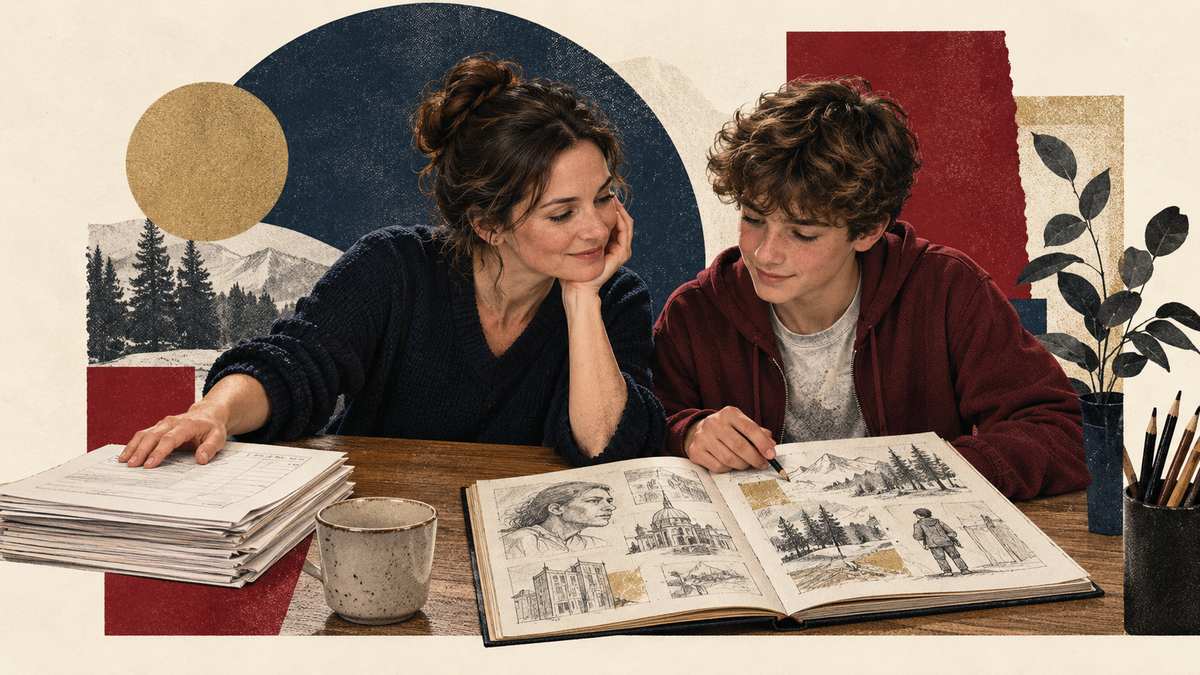
Parenting is one of life's most rewarding and demanding responsibilities. For those raising Gen Z and Gen Alpha, the demands have never been higher. These children are coming of age in a world that values individuality, personalization and rapid innovation.
The challenge is clear. How do we help children thrive in a future that rewards adaptability over predictability, creativity over conformity and emotional intelligence over credentials?
The old formula of good grades, impressive activities and a steady career path no longer guarantees anything. Today's world asks young people to forge their own paths, where their individuality becomes their greatest strength. Personalization in parenting is not a luxury. It is a necessity, for families and for the future workforce.
Breaking Free From Traditional Expectations
Standardized parenting has long prioritized rigid milestones and predefined definitions of success. For many young people, that blueprint feels irrelevant and restrictive. When parents steer every education and career decision, children can lose the chance to build their own judgment and confidence.
Parents must shift from controlling to empowering. That doesn't mean stepping away. It means becoming advocates who co-create a path with their child, built around the child's unique passions and purpose rather than someone else's expectations.
I first heard Brielle Lubin speak about this at 14, on the stage of my Leadership in the Age of Personalization Summit in 2019. She talked about the courage to be an individual when everyone around you expects you to fit a mold, and about how much young people need the adults in their lives to see who they really are. Today Brielle is a junior at NYU, and her message is more relevant now than it was then.
Technology's Influence on Identity
For this generation, technology is not just a tool. It is the foundation of everyday life, blending online and offline identities. That brings real opportunities for learning and creativity, and real pressure.
Pew Research Center's 2025 study found that 48% of teens say social media harms people their age, up from 32% in 2022. Nearly a third feel pressure to post content that will get attention, and 55% of parents are extremely or very worried about their teen's mental health.
Technology shouldn't be treated as simply good or bad. Parents can position it as a tool for learning and creativity, with clear boundaries and open conversations about how it makes their children feel. Those conversations matter, because the workforce these children will enter requires technology and human creativity to work together.
Personalization in Learning
Preparing children for tomorrow means rethinking traditional measures of success. Learning that is tailored to how a child learns gives them ownership of their progress and builds self-regulation, critical thinking and adaptability.
Personalized learning also teaches children something grades rarely do: how they learn best. A child who understands what energizes them, how they recover from mistakes and when they do their best thinking carries that self-knowledge into every classroom and every job.
It also means welcoming alternative pathways. Certifications, apprenticeships and focused skill-building programs can help young people develop a competitive edge while staying true to their interests and talents. The goal is not a single right path. It is the confidence to choose one.
What This Means for the Future Workforce
When parenting prioritizes individuality and emotional resilience, we don't just raise thriving young people. We shape a stronger workforce.
Adaptability. According to the World Economic Forum's Future of Jobs Report 2025, 39% of workers' core skills are expected to change by 2030. Children who learn to adapt become agile learners who can pivot when the ground shifts.
Creativity. Employers increasingly value people who can solve complex problems and envision new possibilities. Encouraging experimentation at home nurtures that creative spirit.
Self-awareness and emotional intelligence. Children raised where communication and vulnerability are valued learn to understand themselves and connect authentically with others, a cornerstone of leadership.
Lifelong learning. Success is no longer defined by what you know at graduation, but by how well you keep learning. Parents who model curiosity, ask questions and admit what they are still learning pass that mindset on.
There is reason for hope. In the National Society of High School Scholars' 2026 survey, 84% of Gen Z students said they believe they can make a difference in the world.
Breaking the Cycle of Conformity
When you overlay the challenges of raising this generation with the depersonalization and leadership crisis in the workplace, a common thread appears. Many organizations condition people to act, think and work in highly standardized ways. That conditioning follows adults home and is passed to their children. As I've written, parents were handed the same script.
By nurturing individuality at home, parents are not only preparing their children for personal success. They are equipping them to reinvent outdated systems and build a future where people, not processes, come first.
Want to explore these ideas further? Learn more about my work on leadership, identity and conviction at www.theglennllopis.com.
The most valuable thing a parent can build is not a child's resume. It is a child's confidence in who they are.
© 2026 Glenn Llopis. All rights reserved.
This article is the original work of Glenn Llopis and is protected by copyright. It may not be republished, reproduced, distributed or adapted, in whole or in part, in print, online or by AI tools, without prior written consent. You are welcome to share the link or quote a brief excerpt with credit to Glenn Llopis and a link back to this page. For permission requests, contact solutions@glennllopisgroup.com.
Get the next essay in your inbox
New essays on leadership, identity and conviction, sent to you when they publish. Free, and you can unsubscribe anytime.
Thank you. You're subscribed to Conviction Chronicles.
Something went wrong. Please try again.



.svg)
.svg)
.svg)
.svg)
.svg)
.svg)
