Individuality
·
Self-Awareness
Young People Aren't Choosing AI Over People. They're Choosing Safety Over Being Seen.
New research from The Rithm Project finds young people turn to AI for emotional support not because they trust it, but because opening up to a person feels riskier. The real finding is about people. Identity forms by being known, and adults can make being seen feel safe again.
What the Headlines Miss · Responding to
A New Connection Calculus
New research from The Rithm Project asks why so many young people now bring their hardest emotional moments to AI. In A New Connection Calculus, released this week and covered by Inside Higher Ed, the nonprofit builds on its spring survey of nearly 2,400 young people. That survey found that once young people started using AI for emotional support, they were five times more likely to turn to AI instead of people when they felt upset or alone. So the researchers went back and interviewed 29 of them, ages 16 to 24, to understand why.
The answer was not trust. The young people knew the AI could be wrong and could flatter them. They chose it anyway because it felt less risky than opening up to another person. Most turned to AI after a specific rupture with a friend, partner or family member rather than out of general loneliness.
The Risk They're Avoiding Is Being Known
Most coverage of young people and AI focuses on the technology: how persuasive it is, how available, how agreeable. Those concerns are fair. The more revealing finding is about people. These young people are weighing the cost of being seen by another human and deciding it is too high.
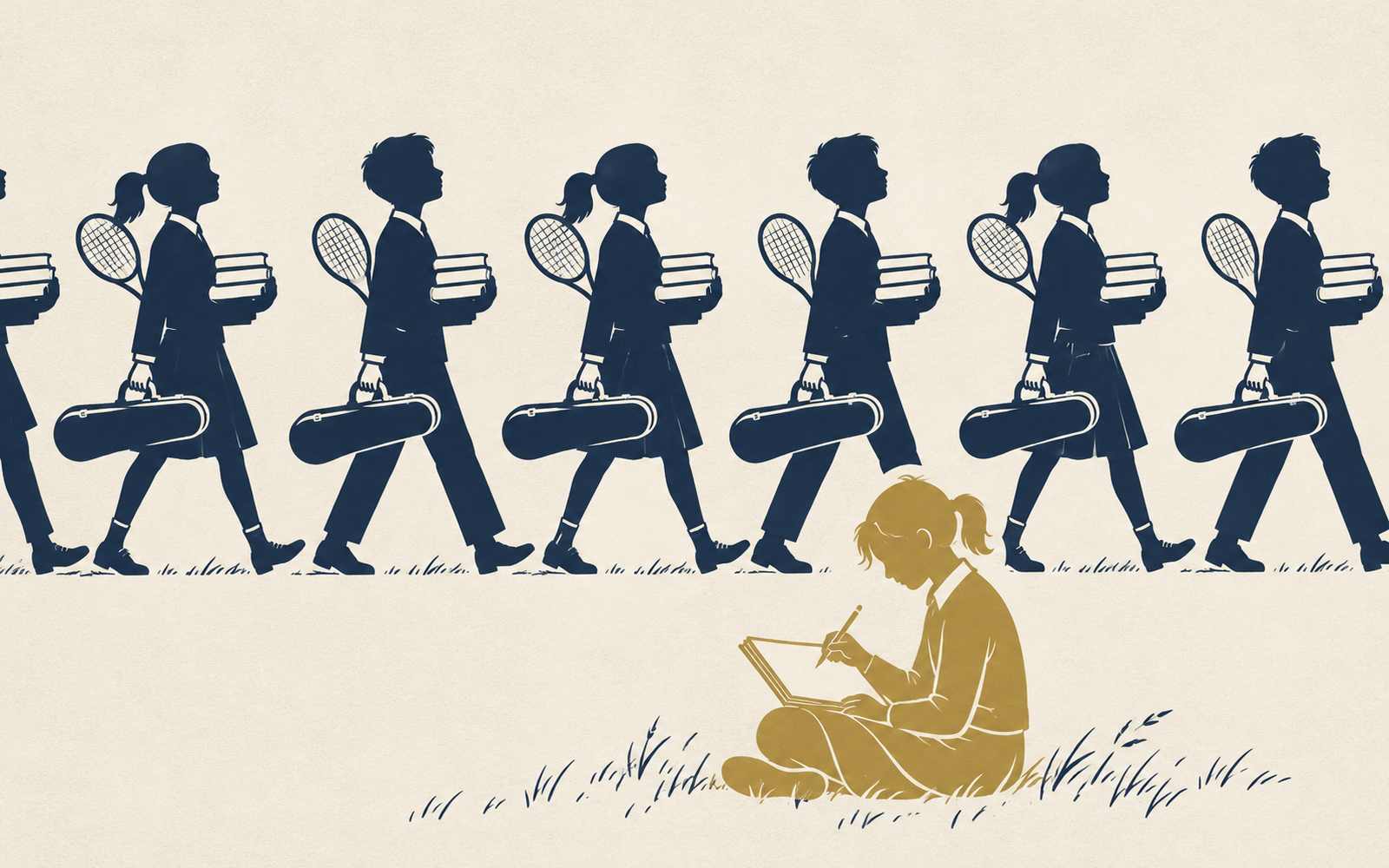
That calculation is learned. When young people grow up being evaluated constantly, through grades, followers and every kind of ranking, they start to manage how they appear. They learn which version of themselves is safe to show. AI offers a place where none of that editing seems necessary, because no one is on the other side to judge. It feels like freedom. In practice, it can keep the most honest version of a young person hidden from the very people who could help them grow.
Adults do a version of this at work, taking their doubts wherever the risk of judgment feels lowest. The difference is timing. Young people are doing it in the years when they are still forming a sense of who they are. Every hard feeling processed only with a machine is a moment when no person got to know them a little better, and when they missed the chance to learn that being known can go well.
Identity doesn't form in private. We come to know ourselves partly by being known: a friend who says you're being unfair, a mentor who notices a strength you can't see, a parent who sits with you after a hard day. I made a similar point in A Chatbot Can Keep Teens Talking. It Can't Help Them Become Themselves. A tool can respond to who you are. It cannot witness who you are becoming.
Bridge or Wedge
The research is balanced, and it deserves to be read that way. The interviews found that AI could act as a bridge back to people when young people used it to understand someone else's view or prepare for a difficult conversation. It became a wedge when they used it mainly to feel validated. The difference came down to the questions they asked and whether they had real people to turn to.
That is a hopeful finding, because both conditions are things adults can influence. Dependable support systems matter here. Schools and colleges that make it simple to reach a counselor or advisor give students a structure that works at scale, and the researchers suggest meeting students in the messaging habits they already have. But no system replaces the adult who notices a young person has gone quiet and asks why. I wrote about how many students believe they are the only ones struggling in Students Think They're Struggling Alone. The Script Says They Should Be Thriving.
Making It Safer to Be Seen
For parents: when your teen brings you something hard, resist the urge to fix or judge in the first minute. The way you react to a small confession decides whether you hear the big one.
Ask your child how they use AI when they are upset, with curiosity rather than alarm. Then ask who else they talk to.
For educators: make reaching a person as easy as opening an app. If students live in their messages, meet them there.
For young people: if you use AI to work through a conflict, ask it to argue the other person's side. Then take what you learned back to that person.
And for every adult: tell young people about a time you were honest with someone about how you felt and it paid off. They need evidence that being known is worth the risk.
The young people in this study are not avoiding connection. They are avoiding judgment. Our work is to make the people around them feel safer than the machine.
Young people will keep choosing safety over being seen until the adults around them make being seen feel safe.
Want to explore these ideas further? Learn more about my work on leadership, identity and conviction at www.theglennllopis.com.
Young people will keep choosing safety over being seen until the adults around them make being seen feel safe.
© 2026 Glenn Llopis Group, LLC. All rights reserved.
This article is the original work of Glenn Llopis and is protected by copyright. It may not be republished, reproduced, distributed or adapted, in whole or in part, in print, online or by AI tools, without prior written consent. You are welcome to share the link or quote a brief excerpt with credit to Glenn Llopis and a link back to this page. For permission requests, contact solutions@glennllopisgroup.com.
Get the next essay in your inbox
New essays on leadership, identity and conviction, sent to you when they publish. Free, and you can unsubscribe anytime.
Thank you. You're subscribed to Conviction Chronicles.
Something went wrong. Please try again.