.svg)
Individuality
·
Leadership
Respected, Not Recognized: The Culture Test for Senior Leaders
Success comes most to those surrounded by people who want their success to continue. Recognition is about being seen. Respect is about being trusted. Recognition fades with the next quarter. Respect lasts a career.
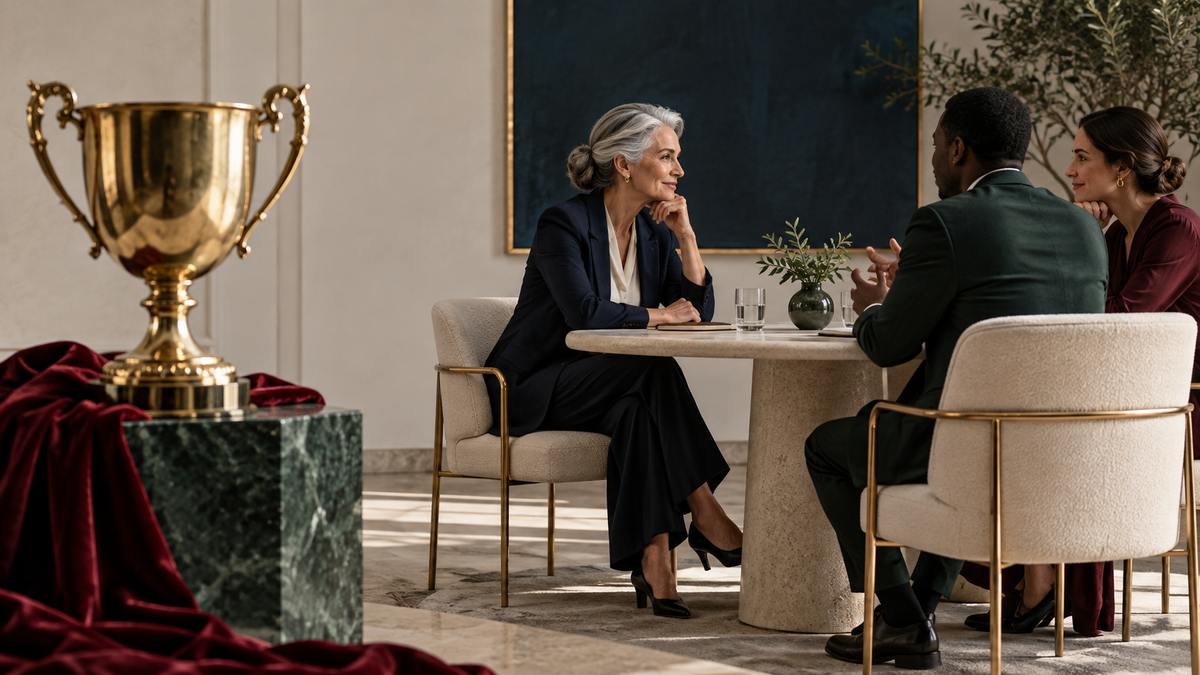
Success comes most to those who are surrounded by people who want their success to continue.
That idea has guided me for most of my career, and it's the clearest test I know of a healthy culture. Do the people around your senior leaders want them to succeed? Or do they simply want to stay out of their way?
Plenty of leadership teams post strong results while their people quietly count the days until they can leave. Results can hide a culture problem for a while. They can't hide it forever.
The answer depends on how senior leaders behave: how boldly they think, what they invest in, how openly they operate and whether they care more about recognition or respect. Each one sets the culture everyone else lives in.
Courageous Thinking
Today's unpredictable market demands courageous thinking. If a leadership team isn't passionate enough to explore what's possible for the company, its ability to grow is limited.
Courage starts with belief in people. Leaders who believe in their employees and clients help them become potent pioneers inside the organization and trailblazers in their industry. They build high-performance teams and push boundaries to see and seize opportunities no one has seen yet.
Courageous thinking isn't recklessness. It's the willingness to pursue an idea before it's proven, and to back the people pursuing it when the first attempt falls short.
In my experience, the leadership teams that grow are the ones passionate enough to keep going when the work gets hard and the answer isn't obvious yet. Passion isn't a personality trait reserved for founders. It's a choice leaders make every day about how much of themselves they bring to the work. A leadership team that holds back will soon find its value proposition irrelevant.
Invest in Relationships Before You Need Them
Beyond employees and clients, how a company engages its external partners and strategic alliances matters enormously. That requires an entrepreneurial attitude: leaders in constant search of making things better, building momentum well before the market takes it out from under them.
Don't assume your company is investing in the right relationships and resources. You'll know it is when the effects are felt across every department and level, and when new relationships are being brought in by leaders at all levels, not only at the top. If that isn't happening, you'll see that too. Perhaps you already do.
In a market reshaped by AI, relationships matter more, not less. Anyone can buy the same tools. No one can buy trust with the right partners.
Hidden Agendas Cost More Than You Think
Growth requires trust and transparency, with communication that is strong, consistent and open across boundaries. When leaders are selfish and territorial, the organization fills with hidden agendas. People spend their energy protecting themselves instead of having each other's backs.
You can feel it in the room. Decisions made before the meeting starts. Information shared on a need-to-know basis. Employees who have stopped offering ideas because they're not sure who will take the credit. And every hour spent managing politics is an hour not spent on customers.
Modern leadership is about advancing yourself by serving others. When people know their voice is heard and valued, they bring their full capability to work. When they don't, they bring only what's required.
Recognition Versus Respect
The leaders I worry about most are the ones who care more about recognition than respect.
Recognition is about being seen. Respect is about being trusted. A leader chasing recognition takes credit, avoids risk and surrounds themselves with people who agree. A leader earning respect shares credit, takes responsibility and invites challenge.
Collaboration, reciprocity and teamwork are the foundation of a healthy culture, and they only flourish under leaders who earn respect. Recognition-seeking leaders put the culture on an unstable path, even when short-term results look strong.
Respect is also the better long-term strategy for the leader. Recognition fades with the next quarter. Respect lasts a career.
Lead to Leave a Legacy
The strongest cultures are led by people who value relationships, share their good fortune with others and lead to leave a legacy. They're not afraid of change, because their standing doesn't depend on keeping things the same.
Ask your leadership team:
- Would the people around us say they want our success to continue?
- Where are we holding back an idea because it feels too bold?
- Which relationship are we neglecting that we'll need in two years?
- Where is a hidden agenda slowing us down?
- Are we working to be recognized, or to be respected?
A culture that attracts and advances top talent isn't built by programs. It's built by leaders who make the people around them want them to succeed.
Want to explore these ideas further? Learn more about my work on leadership, identity and conviction at www.theglennllopis.com.




.svg)
.svg)
.svg)
.svg)
.svg)
.svg)
