Individuality
·
Self-Awareness
When Parents Edit the Report Card, Kids Learn to Edit Themselves
The Wall Street Journal reports on parents who pressure teachers, and sometimes sue schools, to change grades and report card comments. The bigger cost is what children learn when honest feedback gets erased: that the record matters more than the growth.
What the Headlines Miss · Responding to
The Parents Suing Schools Because Their Kids Got Bad Grades
The Wall Street Journal reports on a growing fight in American schools. In The Parents Suing Schools Because Their Kids Got Bad Grades, Zusha Elinson describes parents who press teachers and administrators to change grades and comments, sometimes all the way to court. In Palo Alto, a mother filed suit after the district declined to change a third-grade report card noting that her son needed to work on cooperating with others. Another parent sued after AI-detection software flagged his son's essay, then dropped the case months later. In Nashville, an award-winning teacher resigned, saying a grade had been changed to appease a parent; the district says the student was simply given another chance to finish the work.
The pressure is not limited to a few headline cases. In Education Week's State of Teaching survey of 1,500 teachers, about 4 in 10 said they had received pressure from parents and students to change grades in the past year. That pressure rises as children get older. Three quarters of elementary teachers reported little or no pressure from parents, compared with just over half of high school teachers.
Feedback Is Information About Who a Child Is Becoming
The Journal tells this as a story about parental pressure and the narrow path to elite colleges. Both are real. Yet I keep coming back to the third grader. A teacher who spends six hours a day with a child noticed something about how he handles frustration with classmates and wrote it down. That comment says nothing about his worth. It describes who he is right now and points to who he could become.
Children need that information. Honest feedback from an adult who knows them is one of the main ways a young person learns about their own patterns: what energizes them, where they struggle, how they come across to others. When a parent's first instinct is to erase the feedback, the child learns a different lesson. The record matters more than the growth, and the image matters more than the person.
Consider what that one comment could have started. A conversation at dinner about what happens when he gets frustrated. A question about which classmates he works well with and why. A small goal for the spring semester. Each of those would have helped a third grader understand himself a little better. Instead, the comment became a legal matter, and the lesson shifted from self-awareness to self-defense.
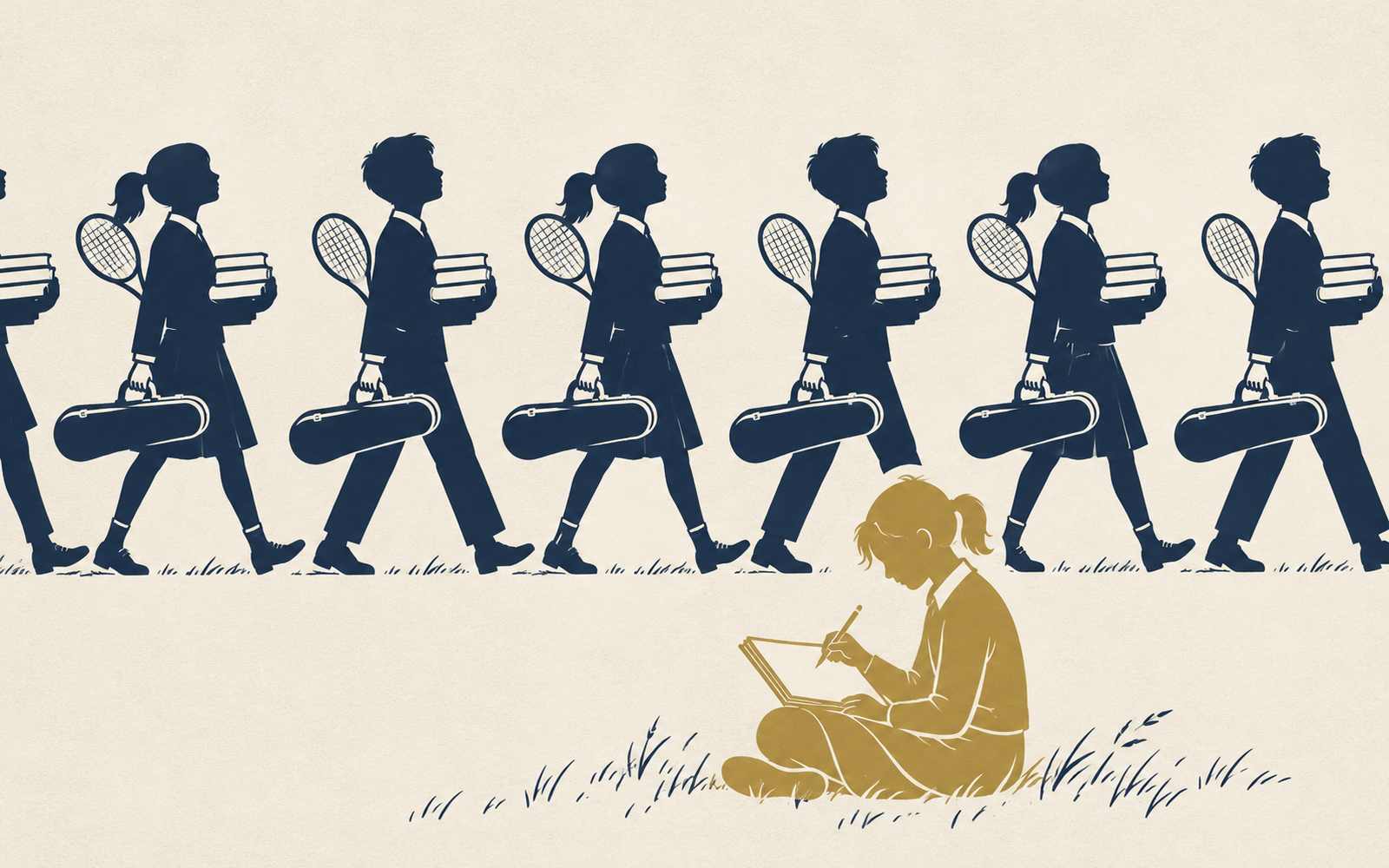
That is how young people learn to edit themselves. They become skilled at managing how they look on paper long before they understand who they are. The adult version shows up in organizations as leaders who can defend every number on a dashboard but struggle to name a single blind spot in how they lead. Those habits are usually formed early.
Advocacy Has a Place
Parents should advocate for their children, and some of these disputes raise fair questions. AI detectors can be wrong, and a student accused of cheating deserves a fair process. Clear grading standards protect everyone, which is why many districts now separate academic mastery from behavior so grades are consistent and easier to explain. A transparent rubric does a family more good than a lawsuit ever will.
The real issue is what the advocacy is for. Fighting for a fair process teaches a child that the truth matters. Fighting to remove an uncomfortable truth teaches them that it can be negotiated away. I wrote about the pressure behind this in Every Family Can Afford the Same Script Now. That's the Problem. When the script says every mark must be perfect, honest feedback starts to feel like a threat.
Before You Challenge the Grade
Ask your child first. What do they think the teacher saw? Their answer will tell you whether they are learning from the feedback or hiding from it.
Meet the teacher with curiosity before you bring a complaint. Ask what they have noticed about how your child learns and how they work with others.
Separate fairness from comfort. If the process was unfair, say so. If the feedback was simply hard to hear, let it stand and help your child do something with it.
Let some consequences land. A C in tenth grade costs far less than an adult who never learned to take feedback.
And talk about growth out loud. Tell your child about a time someone told you something hard about yourself and how it changed you.
I made a related case in Don't Hand Your Child a New Checklist. Help Them Know Who They Are. A report card is one of the few places where an adult outside the family tells a child what they see. That view is worth protecting, even when it stings.
Feedback is a gift a child can only use if the adults around them let it arrive.
Want to explore these ideas further? Learn more about my work on leadership, identity and conviction at www.theglennllopis.com.
Feedback is a gift a child can only use if the adults around them let it arrive.
© 2026 Glenn Llopis Group, LLC. All rights reserved.
This article is the original work of Glenn Llopis and is protected by copyright. It may not be republished, reproduced, distributed or adapted, in whole or in part, in print, online or by AI tools, without prior written consent. You are welcome to share the link or quote a brief excerpt with credit to Glenn Llopis and a link back to this page. For permission requests, contact solutions@glennllopisgroup.com.
Get the next essay in your inbox
New essays on leadership, identity and conviction, sent to you when they publish. Free, and you can unsubscribe anytime.
Thank you. You're subscribed to Conviction Chronicles.
Something went wrong. Please try again.