.svg)
Individuality
·
Leadership
You Can't Lead People You Refuse to See
Do you have to love people to lead them? You have to see their humanity and honor their dignity, especially when they are different from you. That is what separates leaders from managers.
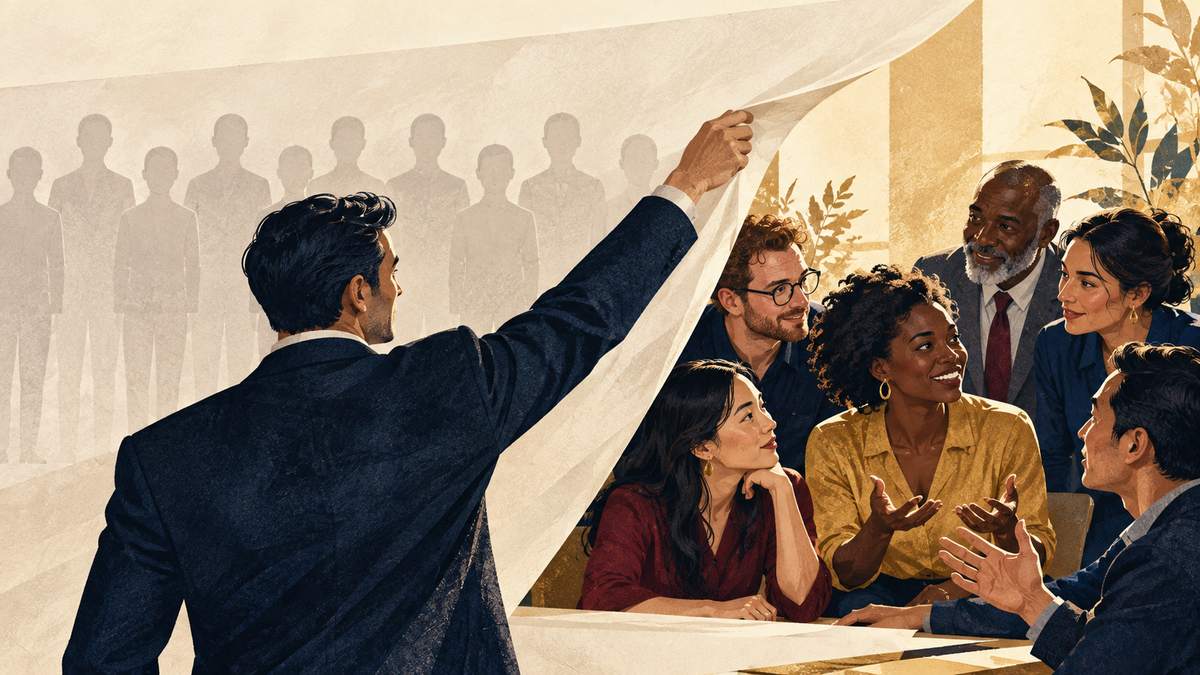
Do you have to love people to lead them? I first heard the question put that boldly at a conference, when a health system president opened her remarks by saying she would go so far as to say you have to love those that you lead. I have been asking leaders to reflect on it ever since, and the honest answer is less sentimental than most expect.
We live in a time of screaming and shouting across divides. Political, generational, cultural. At work, people bring those tensions into meetings, chats and hallways. In the middle of all this noise, leaders face a harder question: how do we find our way back to seeing the humanity in others and honoring their dignity, no matter how different or similar they are to us?
My answer is that leaders do not have to love every person in the sentimental sense. But they do have to care enough to see each person fully. And that kind of seeing requires a discipline that looks a lot like love.
Why This Is Essential, Not Optional
Some executives treat humanity and dignity as nice ideals that belong in a values statement. I disagree. For a business, humanity and dignity are essential, because of what they make possible.
People do their best work when they feel seen. They take smart risks when they trust that a mistake will not define them. They share ideas when they believe their perspective is wanted. Every one of those behaviors depends on a leader who sees the person, not just the role. Without that, you get compliance. With it, you get commitment.
How Standardization Turned Leaders Into Managers
The age of standardization reduced many leaders to managers. Systems told them what to measure, how to evaluate and when to intervene. Leading became a matter of monitoring metrics and mechanics. The person behind the numbers became secondary.
That approach produced efficiency, but it drained the humanity out of leadership. Many leaders today were trained in that model. They were promoted for managing well, not for knowing people well. The shift from manager to leader requires unlearning some of what made them successful in the first place.
The move I encourage leaders to make is from metrics and mechanics to the dignity of the human being. Metrics still matter. But they are the result of human effort, not a substitute for understanding it.
What Seeing People Actually Requires
Seeing people fully is harder than it sounds. It requires leaders to set aside their assumptions, their preferences and their comfort. In practice, it looks like this.
- Acknowledge individual dignity. Every person carries a unique story, set of pressures and way of contributing. Acknowledge that before you try to direct it.
- Know people well enough to remove barriers. You cannot help someone reach their potential if you do not know what is standing in the way. The barriers are different for each person.
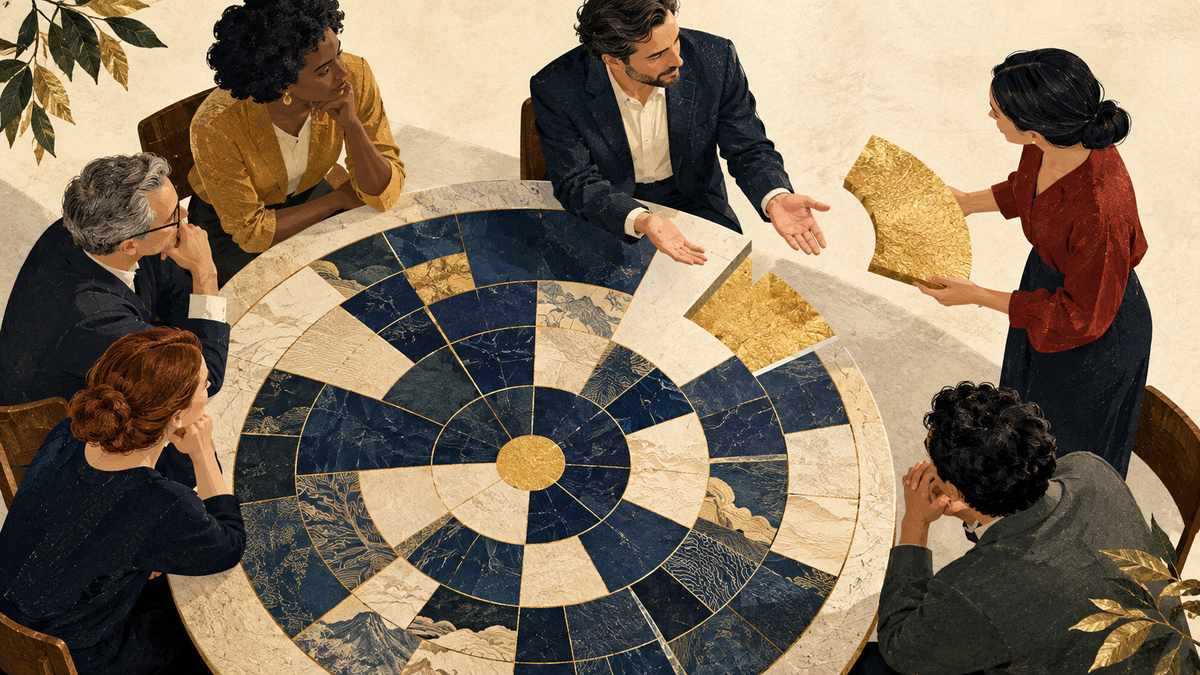
- Treat your team like a community, not a headcount. The best leaders create a sense of belonging where people look out for one another. That does not happen through policy. It happens through how leaders show up every day.
- Lead the people who are least like you. It is easy to connect with people who share your background and views. Leadership is tested with those who do not.
- Separate the person from the position. You can disagree strongly with someone's view and still honor their dignity. In fact, that is when honoring it matters most.
Caring Is Not the Same as Being Soft
Some leaders worry that caring deeply will make them less effective. They fear it will lead to avoided conversations, lowered standards or favoritism. The opposite is true. When you truly see someone, you can be more direct with them, because they trust that your feedback comes from a genuine interest in their success.
Seeing people fully also means holding them to their potential, not just their current performance. That is demanding. It requires honesty, follow-through and the willingness to lead with better questions rather than quick judgments.
What a Dashboard Cannot Do
A dashboard can track performance. It cannot make someone feel valued. A report can flag a risk. It cannot sit with someone who is struggling. The part of leadership that remains uniquely human is the part no system can do for you.
Leaders who have relied on metrics and mechanics will find that tools do the tracking faster than they ever could. Leaders who have developed the discipline of seeing people will find that their value only grows. The question of whether you have to love people to lead them is really a question of what kind of leader you intend to be.
See the Person Across the Table
- What do I actually know about this person beyond their role and results?
- What barrier might be holding them back that I have not asked about?
- Where am I treating difference as friction instead of value?
- Would this person say I see them, or just evaluate them?
Leadership has always been about people. Standardization made it easy to forget that. The leaders who will matter most in the years ahead are the ones who remember that you cannot lead people you refuse to see.
Want to explore these ideas further? Learn more about my work on leadership, identity and conviction at www.theglennllopis.com.



.svg)
.svg)
.svg)
.svg)
.svg)
.svg)
