
Ten rooms. Ten years.
 Prologue · 2015The Cultural Demographic Shift
 Season 1 · 2019Welcome to the Age of Personalization
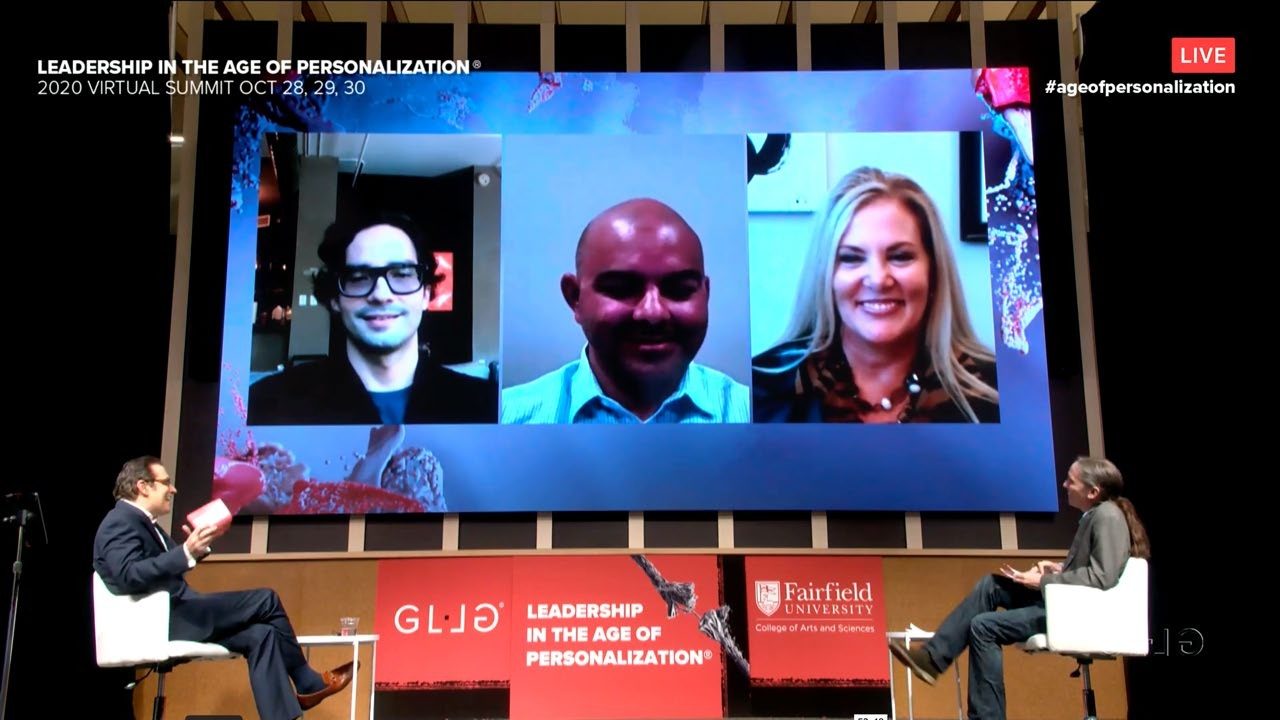 Season 2 · 2020The Collapse of Standardization
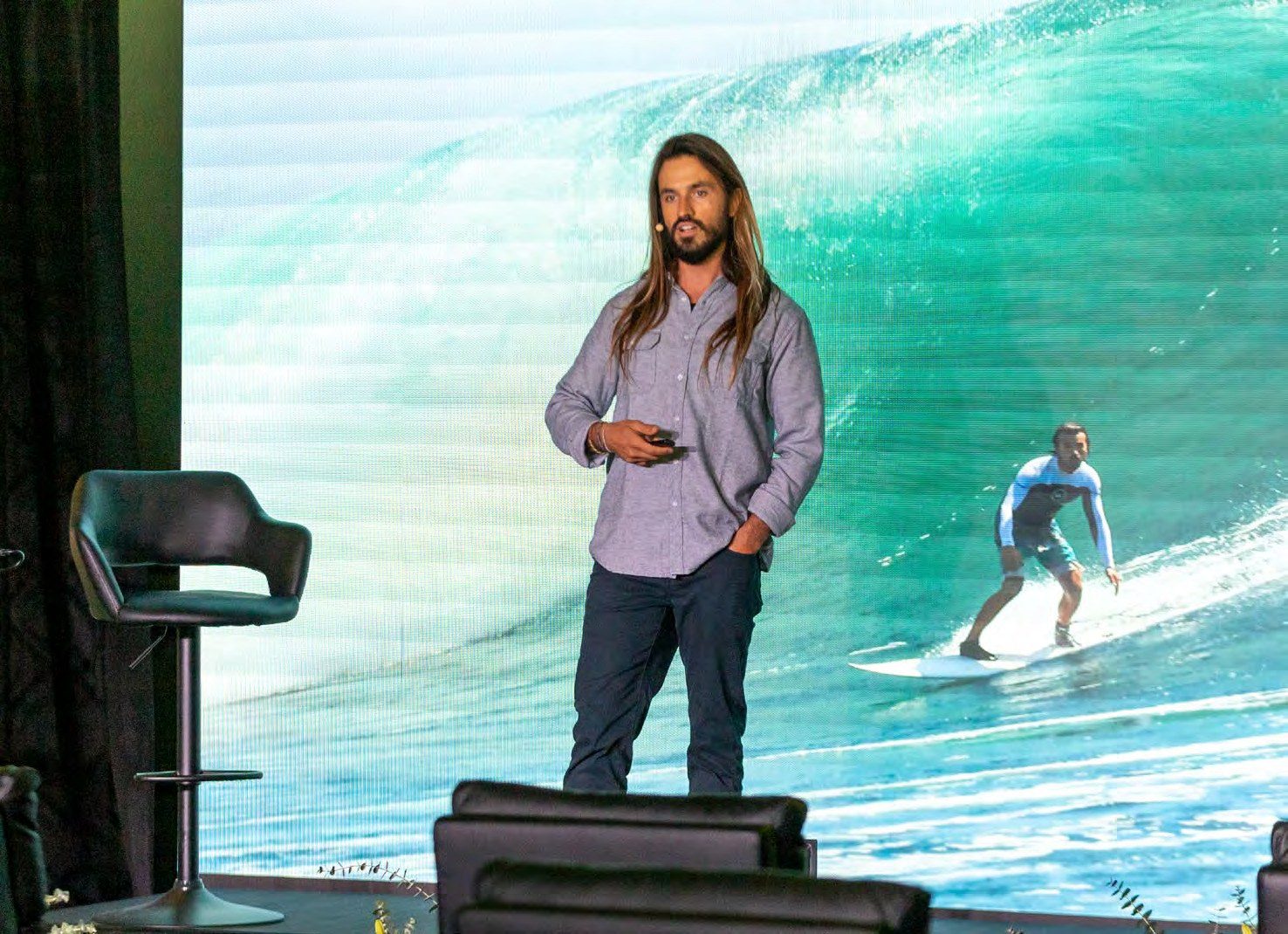 Season 3 · 2021Individuality Unleashed
 Season 4 · 2022Navigating Uncertainty
 Season 5 · 2023Chasing Resilience
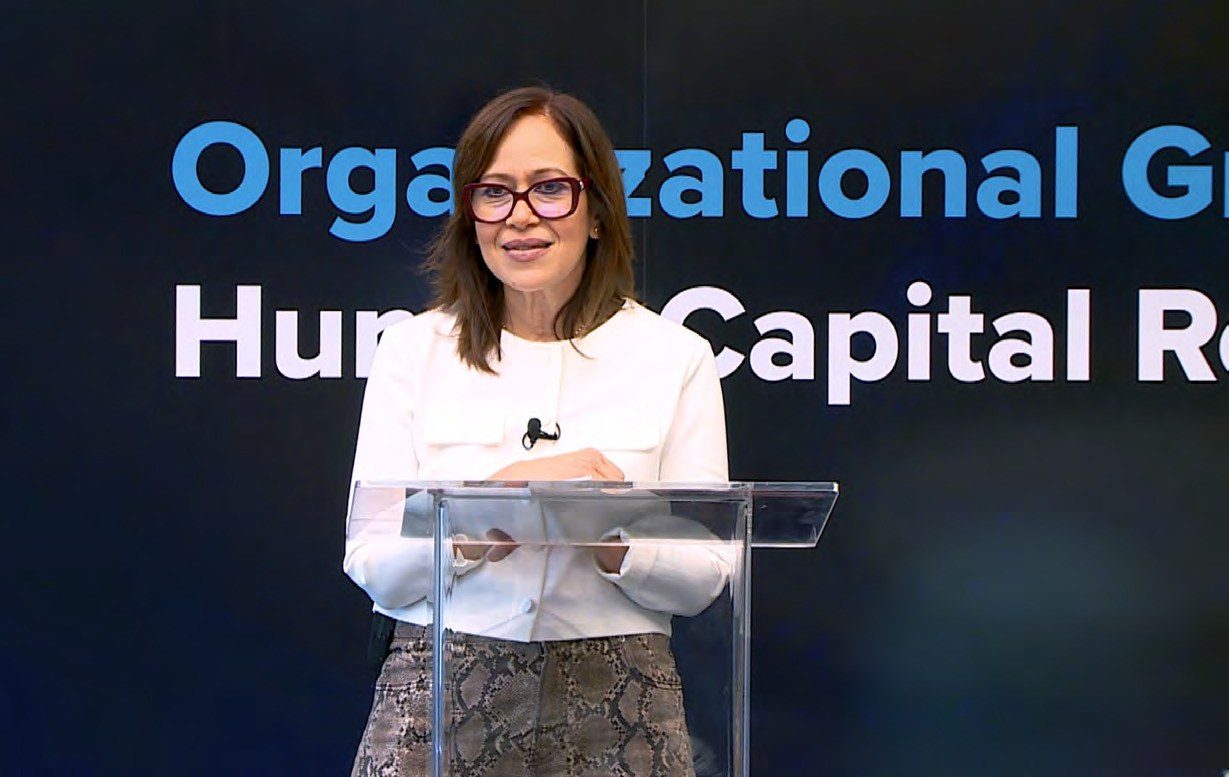
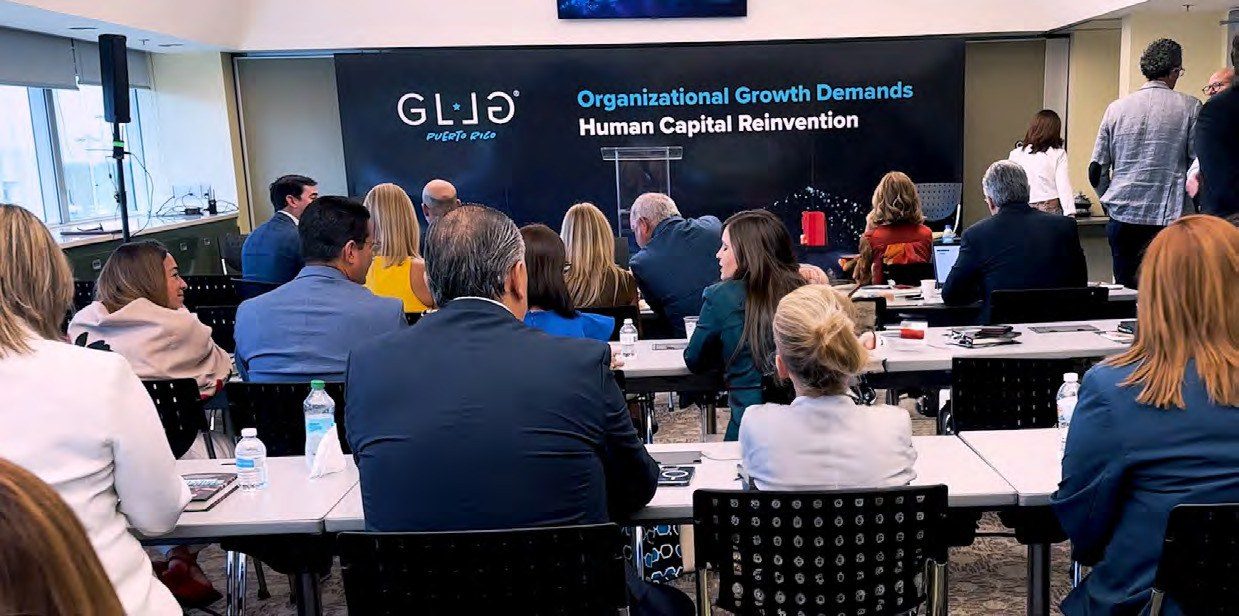 Season 6 · 2025Human Capital Reinvention
 Season 7 · 2023Operationalize Personalization
 Season 8 · 2024Adopting the Personalization Mindset
 Season 9 · 2025Belonging and Retention
Nearly everyone agreed. Very few acted.
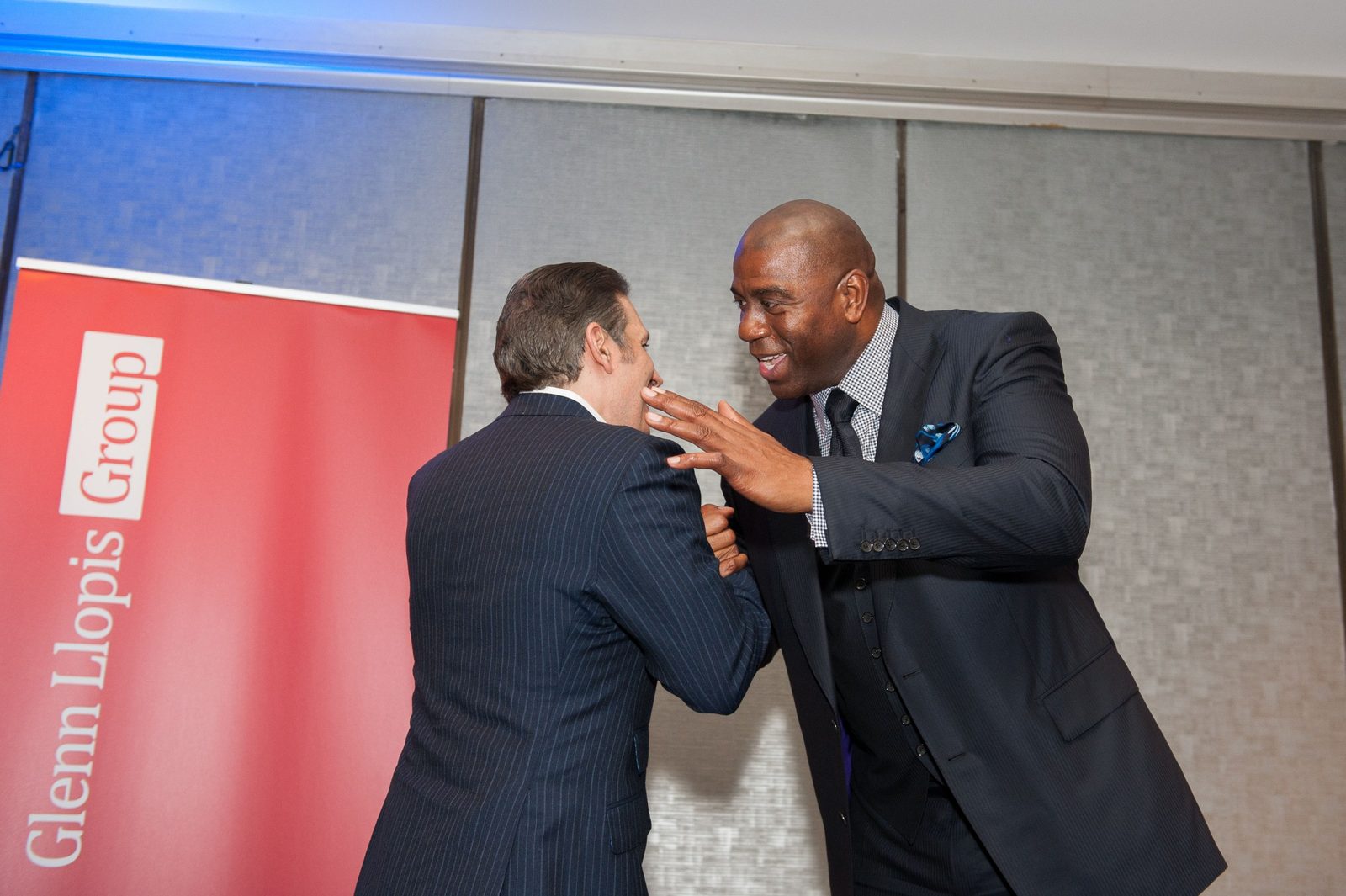
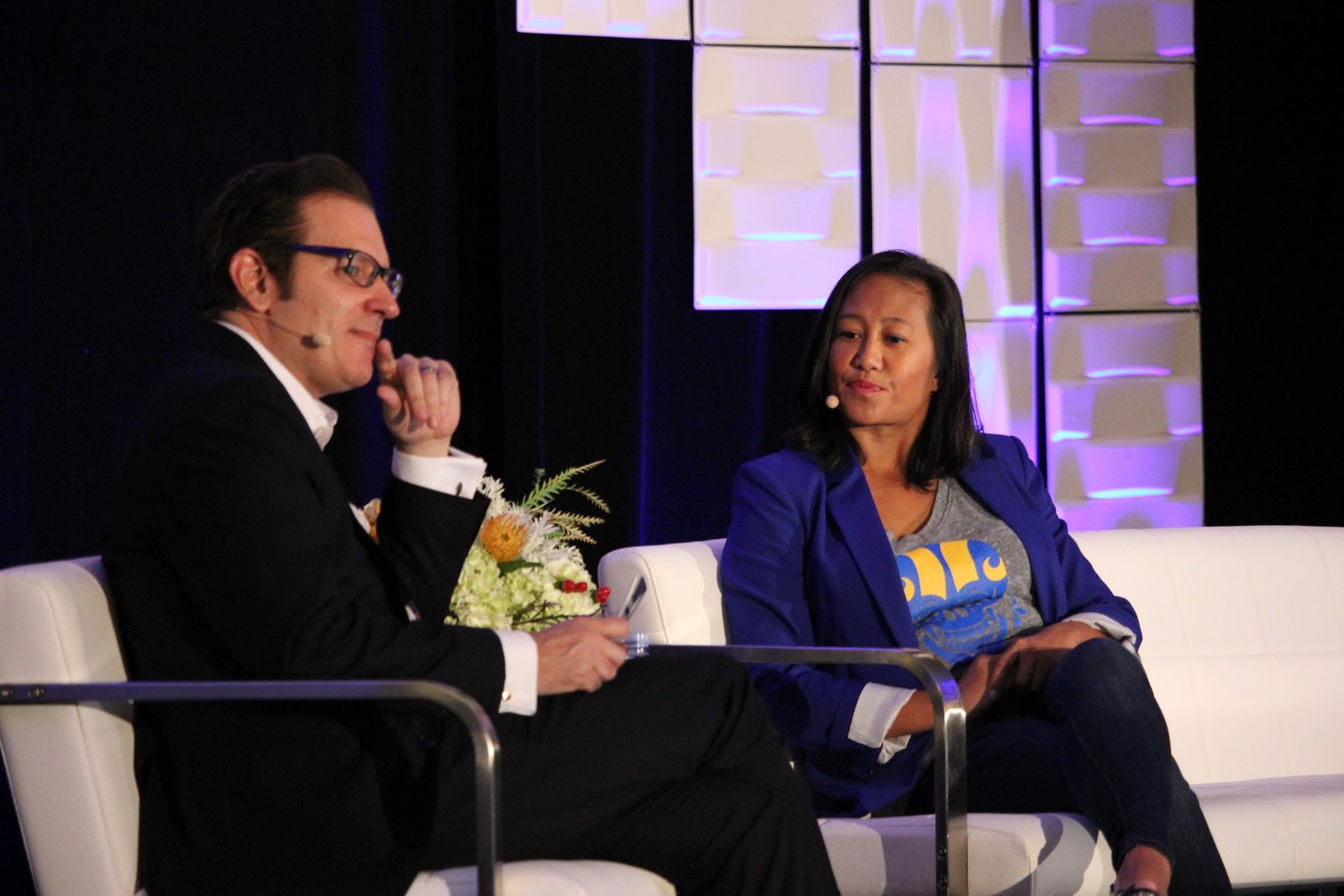
Ten executive summits, from 2015 to 2025, asked leaders one question. Nearly all of them agreed on the answer. Very few acted on it.
The data told me what was happening. The rooms told me why. Leaders believed in the individual. They were afraid to lead that way before the outcome was certain.
That distance between what we believe and what we are willing to act on has a name. I call it the conviction gap.
Read The Conviction Gap
AI doesn't hand you an advantage. It amplifies the one you bring.
The gap the rooms revealed did not stay still. Every year a leader waited, the cost of waiting grew. Now the machines can do the standardized work faster than any of us. What they cannot supply is the person who knows what they believe and acts on it.
That is what conviction is: the earned capacity to act on what you believe before the outcome is certain. In the age of AI, it is the advantage that cannot be copied.
Read Conviction Over Code
“Whatever problem you're solving for, you cannot do it alone. We need the dynamism of difference.”
The same crisis, thirty years apart.
The identity crisis in the C-suite does not start in the C-suite. It starts at 15. The executive who has lost their conviction and the teenager learning to censor themselves are living the same crisis, thirty years apart.
Students were in these rooms too. They said out loud what many adults had stopped saying.
“We are all that different shade of a color on that paper.”Read Behind the Mirror
The summits were about work. The conversations kept walking out the door.
Go back through every episode and you notice something. Leaders came to talk about strategy and ended up talking about their children, their parents, their neighborhoods and the young people coming up behind them. About three in four of these conversations reached past the organization, into who people are, their families, their communities or the next generation.
The audience told us the same thing. After Season 5, we asked the people in the room what mattered most. It was not the industry outlook. It was the conversations about who they are and the people they lead.
The rings did not come from these rooms. The rooms confirmed them, season after season, in the words of the people who sat in them.
Share of the 147 summit conversations that touched each ring, from a reading of every episode summary across the Prologue and nine seasons. Most conversations touched more than one.
Standardization and personalization are pulling to the extremes, and few leaders know where the harmony sits. Add AI and the uncertainty compounds.
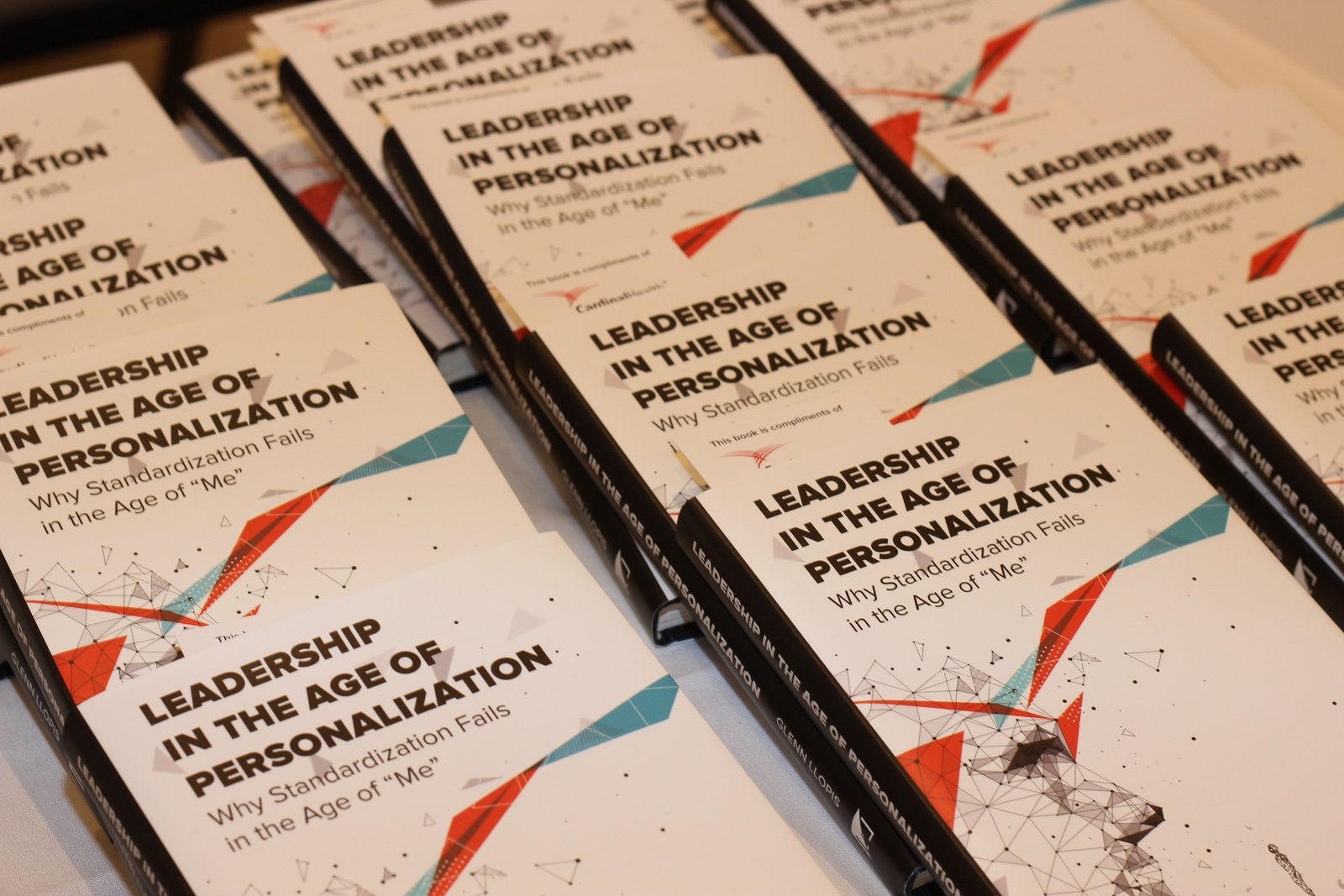
That is not the problem. That is the opportunity. In my first book, Earning Serendipity, I wrote that opportunities are not handed to us. We create them. We see them, sow them, grow them, share them, and then re-sow them, so we can keep building on the opportunities we create. I have always said that without strategy, change is merely substitution, not evolution. Re-sowing is how we evolve. Most of us were never taught that. We were taught to spot the opportunities placed in front of us and execute.
My Workplace Serendipity Assessment shows where that leaves us. Most people can still execute. But even execution is getting harder, because they cannot see as clearly as they used to. They do not trust themselves enough to share what is right. And their workplaces do not feel safe enough to grow, to connect the dots, especially the disconnected ones that should be connected.
It all comes back to conviction. Knowing something is right isn't enough to start doing what's right, and knowing something is wrong isn't enough to stop doing it. And the most important opportunity you will ever see is you.
Seeing it begins with knowing who you are. That is the question the five rings answer.
Conviction is not built at work. It is built in five rings, from the inside out.
-
1 · Self
Know who you are before anyone tells you.
“I've been very prescriptive with my life.” Season 9. Recorded when Lesly Leon was a graduate student in Cornell's Sloan MHA program.
-
 2 · Home
Bring the whole you home, not what's left of you.
“He wanted to teach me how to shave.” Rob Craven, on his father. Season 9.
-
 3 · Organization
Lead without leaving yourself at the door.
“We've standardized everything where the individuals have been lost.” Dr. Greg Brannon, Season 9.
-
 4 · Community
Help others see what they already carry.
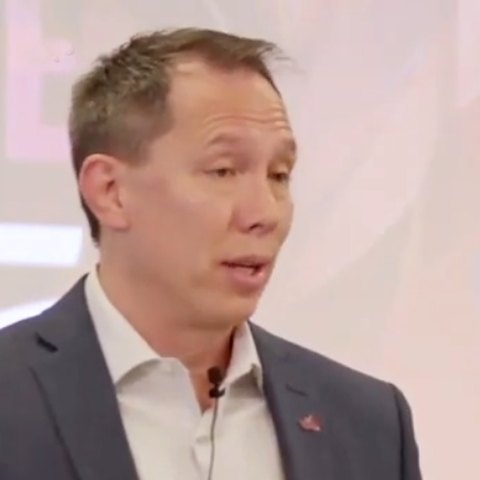
“…one antidote can be the connection and community that we build.” Chris Lynne, President, University of Phoenix, Season 5.
-
5 · Generation
Build something that outlasts you.
“We cannot separate the future of work and how we teach young people to learn, unlearn, and relearn as a steady state.” Robert Johnson, Season 4.
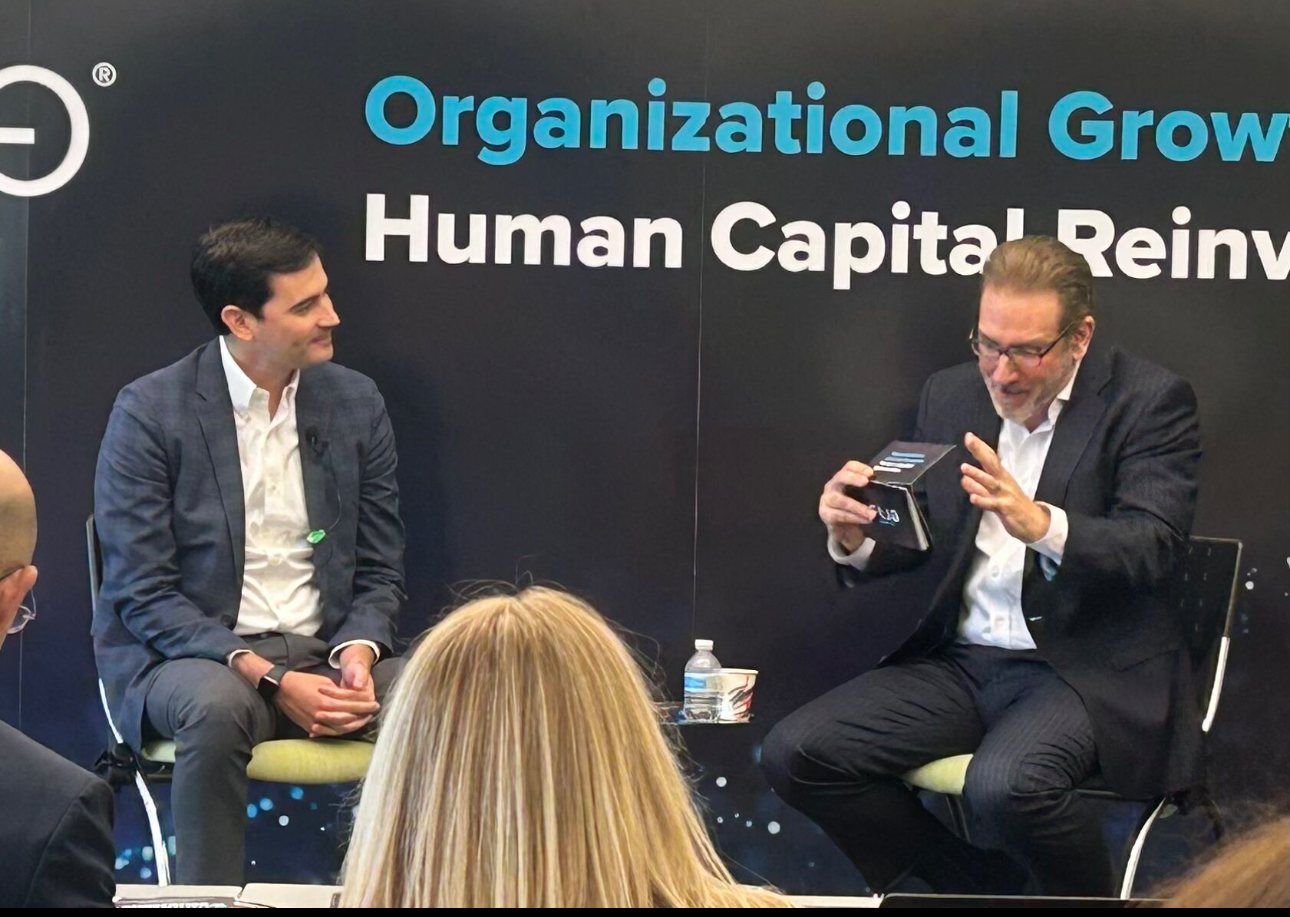

“It's no longer about the business defining the individual. It's about the individual defining the business.”
The rooms reached past the business, into hospitals, classrooms, communities and homes. So the line had to grow with them.
“It's no longer about the institution defining the individual. It's about the individual defining the institution, in search of a shared mission.”
Read the series the summits revealed.